Historical Thinking
Scholars, students, and teachers model historical thinking.
Showing 70 of 70 results
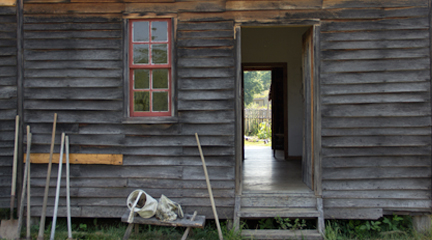
Piscataway Park and Tobacco Farming
In 1700s Maryland and Virginia, farmers lived and died by the quality of their tobacco. Teachers tour Maryland’s Piscataway Park, learning about farmers’ …
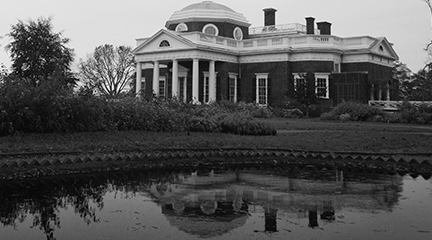
Touring Monticello
Tour Monticello with TAH teachers and learn about the history behind Thomas Jefferson’s home.
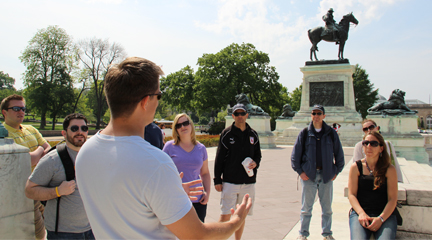
A Close Look at the Ulysses S. Grant Memorial
Historian Christopher Hamner engages educators in close questioning of the Ulysses S. Grant Memorial in Washington, DC.
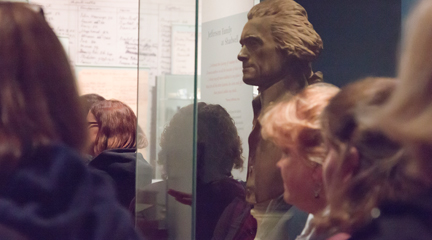
Monticello: Jefferson's Experiment
TAH teachers get an introduction to Monticello as Thomas Jefferson’s ’laboratory.'
Pockets from the Past: Daily Life at Monticello
What do the contents of pockets say about their owners? TAH teachers model strategies for examining and questioning artifacts.
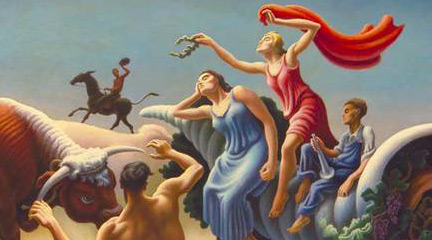
Smithsonian American Art Museum: "Acehlous and Hercules"
Analyzing a massive primary source? Divide it up! Teachers at the Smithsonian American Art Museum examine a Thomas Hart Benton mural.
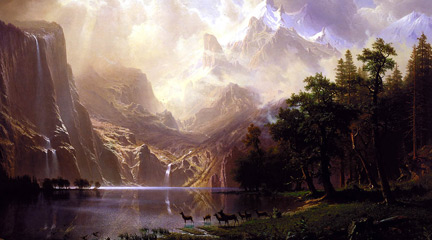
Smithsonian American Art Museum: Teaching with 19th-Century Art
Watch Suzannah Niepold of the Smithsonian American Art Museum guide teachers in analyzing four works of art.
Ford's Theatre: Lincoln's Second Inaugural Address
Ford’s Theatre Society’s Sarah Jencks leads teachers through Abraham Lincoln’s Second Inaugural Address and follow-up activities, in this example of on-site TAH …
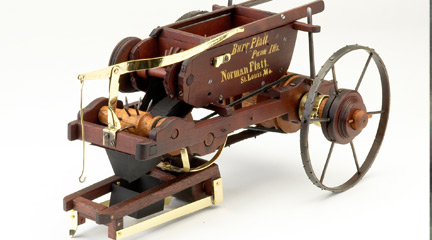
Smithsonian American Art Museum: "Inventing a Better Mousetrap"
Take a look at artifacts from the past—what might they be? Teachers model questioning objects in this Smithsonian exhibit on inventions.
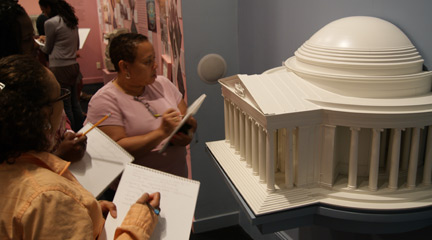
Reading Place with the National Building Museum
What does architecture say about the past and the present? TAH teachers learn strategies for close examination of buildings in Washington, DC.
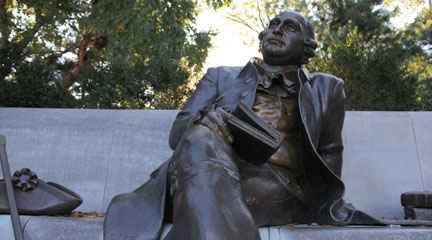
Visiting the George Mason Memorial
How can you get teachers thinking about monuments and memorials as secondary and primary sources? Historians Christopher Hamner and Michael O’Malley started out …
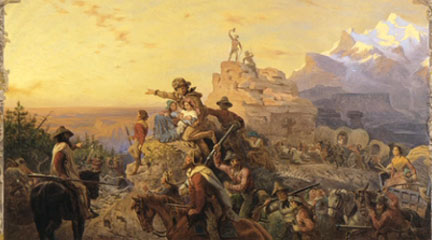
Smithsonian American Art Museum: "Westward the Course of Empire"
Watch Suzannah Niepold guide TAH teachers through analyzing the differences between two versions of Emanuel Gottlieb Leutze’s Westward the Course of Empire …
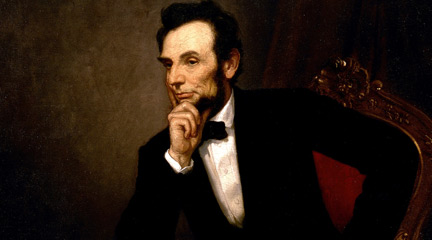
National Portrait Gallery: Teaching with 19th-Century Portraits
Watch Briana Zavadil White introduce teachers to portraits of inventors and presidents from the 19th century.
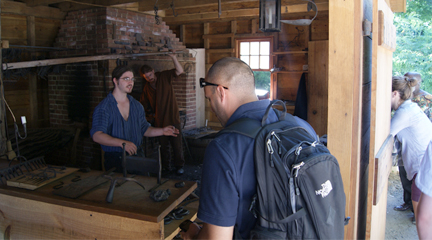
Slave Life at Mount Vernon
How do the buildings and artifacts at Mount Vernon reflect the lives of the people who lived and worked there? Educators explore the slave quarters and question …
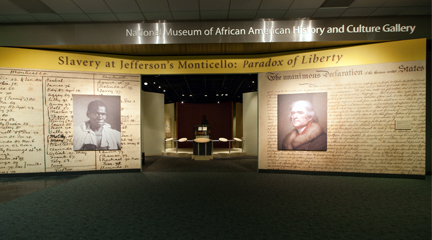
Slavery at Jefferson's Monticello: Paradox of Liberty
Educators tour the NMAAHC exhibit “Slavery at Jefferson’s Monticello: Paradox of Liberty” and ask about approaches to presenting the lives of Thomas Jefferson …
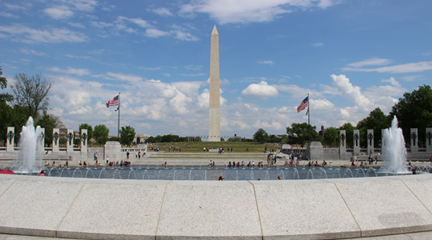
A Close Look at the World War II Memorial
Historian Christopher Hamner introduces educators to the World War II Memorial in Washington, DC. He asks, what was its intended audience and purpose?
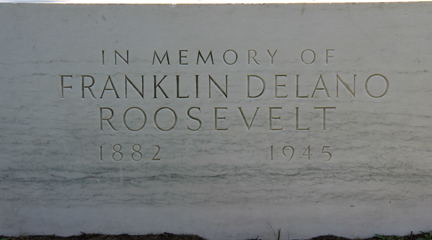
A Close Look at the FDR Memorial
Historian Christopher Hamner visits the original Franklin D. Roosevelt Memorial with educators. They consider the different purposes the old and new memorials …
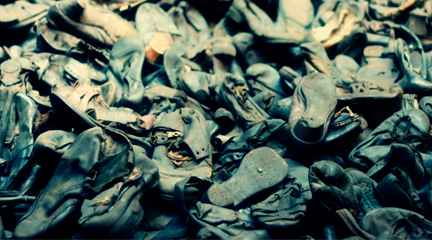
The U.S. Holocaust Memorial Museum: Personalizing History
Make large-scale historic events like the Holocaust personal with artifacts and stories from individual human lives.
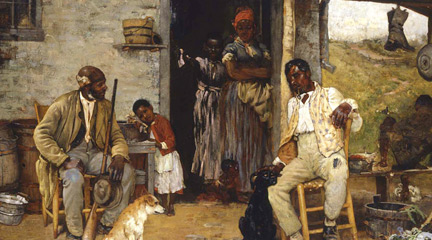
Smithsonian American Art Museum: Close Observation
Close observation and an inquisitive mind are all the tools you need to start analyzing primary sources! Teachers model analyzing works of art.
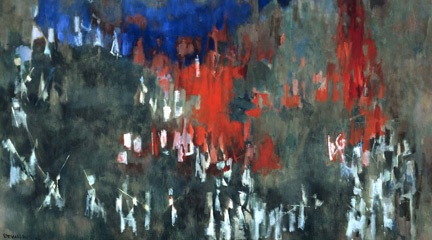
Paintings About Segregation
Textbooks describe segregation in a few pages, but these artists share complicated, personal views of how segregation looked and felt.
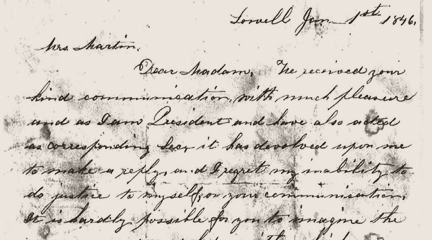
Women's Rights: Sarah Bagley Letters
What do these letters from a women’s rights activist reveal about social causes in the 1840s?
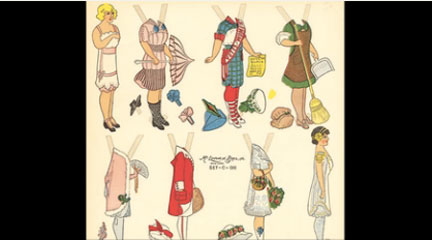
Women's Suffrage: Jane Addams's Article
Who was Jane Addams, and how is her article “Why Women Should Vote” still relevant today?
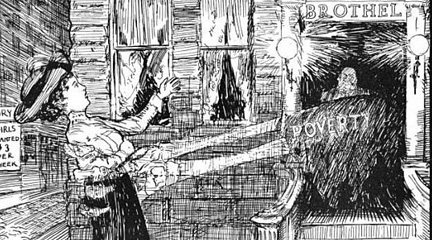
Women's Suffrage: Burroughs's Article
In the struggle for women’s suffrage, how did African American women represent themselves? TJ Boisseau reads an article by activist Nannie Helen Burroughs.
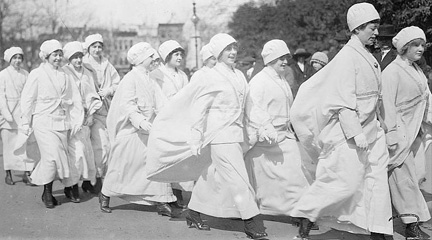
Women's Suffrage Photographs
How did the women’s suffrage movement use the rise of journalism to its advantage? TJ Boisseau looks at what photographs reveal.
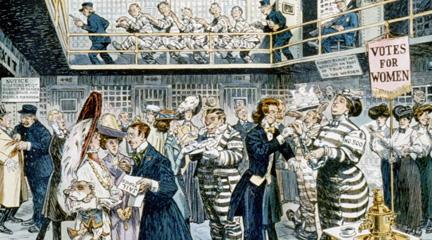
Women's Suffrage Cartoon
How does a political cartoon use popular beliefs about women to make its point? Historian TJ Boisseau examines the conventions in this image.
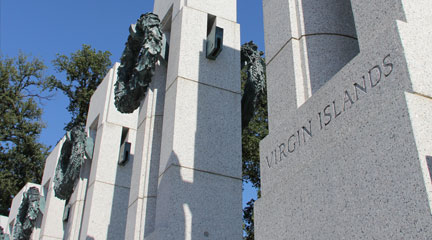
World War II Memorial
What meanings does the World War II Memorial in Washington, DC, have? Historians Christopher Hamner and Michael O’Malley try to answer this question.
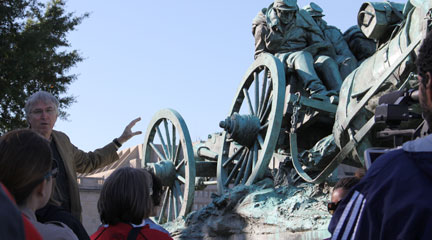
Ulysses S. Grant Memorial
How does the Ulysses S. Grant Memorial in Washington, DC, depict Grant and the Civil War? Historians Christopher Hamner and Michael O’Malley take a look.
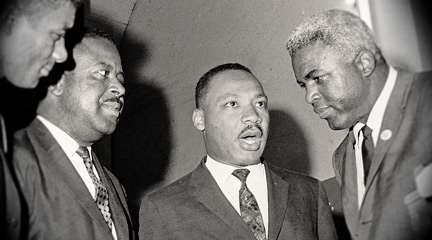
Jackie Robinson and Martin Luther King Jr.
What connections do documents related to the Jackie Robinson Testimonial Dinner in 1962 make between these two men?
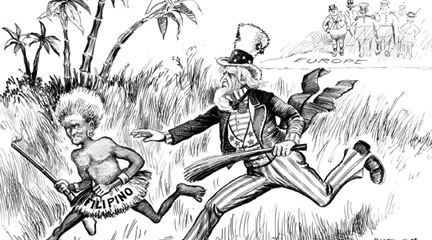
Letters from the Philippines
Letters from U.S. soldiers during the Philippine-American War reveal perspectives very different from the official language of liberation.
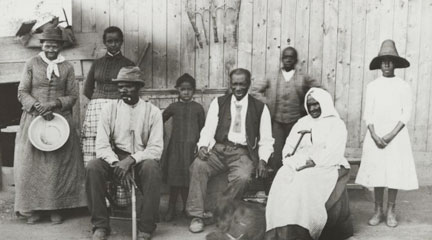
Scenes in the Life of Harriet Tubman
Can you trust a biography? Historian Tiya Miles analyzes an 1869 biography of abolitionist Harriet Tubman.
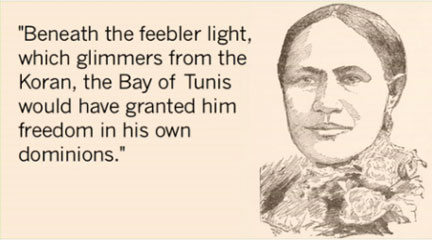
Abolitionist Speeches by African American Women
How do the speeches of Sojourner Truth and Frances Ellen Watkins Harper differ? Historian Carla Peterson examines documents for answers.
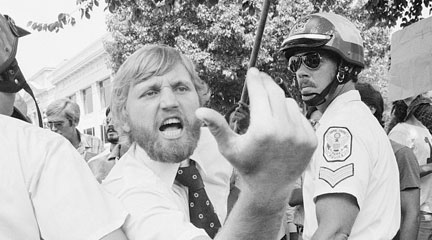
The Iran Hostage Crisis: Diary of Robert Ode
Diaries give a personal view of historical events. Historian Peter Hahn interprets the diary of Robert Ode, kept as he was held hostage in Iran.
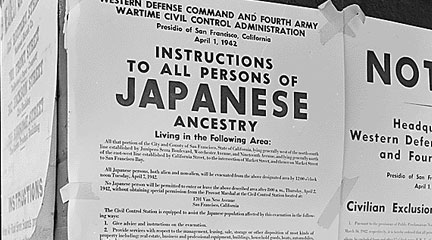
Japanese American Internment: Executive Order 9066
How did the World War II internment of Japanese Americans happen? Historian Frank Wu examines Executive Order 9066.
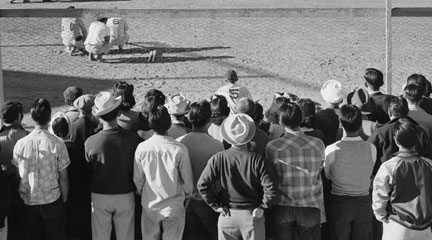
Japanese American Internment: Ansel Adams Photos
If the U.S. interned you and your family, how would you respond?

1775 Colonial Newspaper Article
Smithsonian Barbara Clark Smith looks at what a colonial newspaper article says—and doesn’t say—about a Patriot protest.
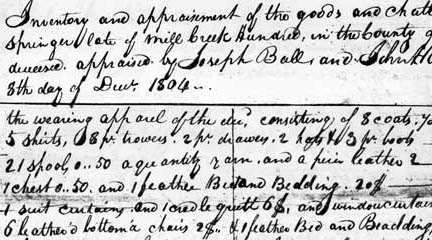
1804 Inventory
What can an inventory tell you about daily life in Delaware in 1804? Curator Barbara Clark Smith asks this document four questions.
Herman Melville's "Bartleby, the Scrivener"
Is reading a piece of historic literature once enough? Not if you want to get the most out of literary sources.
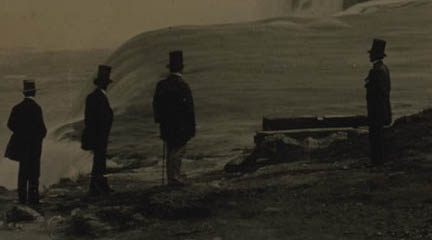
1853 Daguerreotype
What does an 1853 daguerreotype have to say? Plenty, says Frank Goodyear, particularly about tourist culture and the rise of railroads and photography.
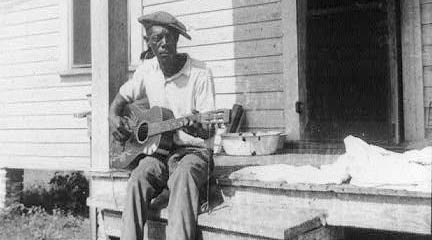
Two Blues Songs
Written primary sources only tell you so much. To learn about history that was never written down, listen to sources like these two songs.
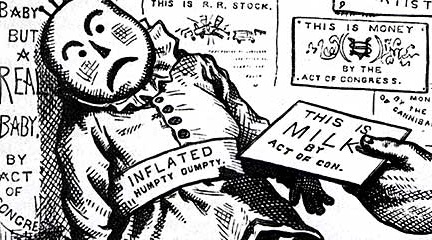
Thomas Nast Cartoon
Today, we accept paper—and electronic—money as a fact of life. Historian Michael O’Malley analyzes an 1876 cartoon criticizing “greenbacks.”
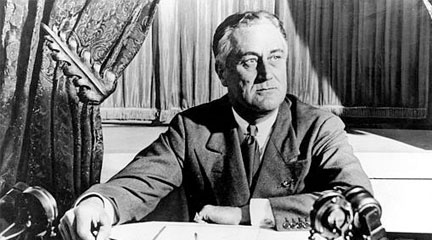
FDR's Second Inaugural Address
What is the key line in Franklin D. Roosevelt’s second inaugural address? Historian David Kennedy gives his answer.
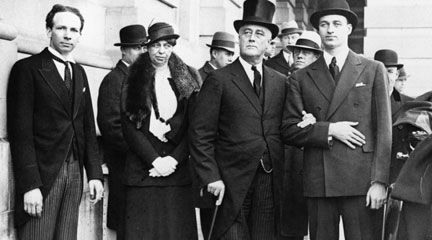
The Election of 1932: Photographs of FDR
What can a photograph of Franklin D. Roosevelt in 1932 reveal? Donald A. Ritchie looks at the people captured in this photograph.

The Election of 1932: Clifford Berryman Cartoon
Donald A. Ritchie, Historian of the U.S. Senate, asks how a political cartoon captures a moment of change in the 1932 presidential campaign.
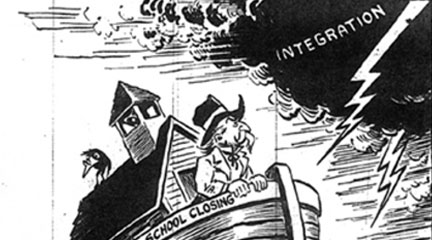
Massive Resistance Political Cartoons
Watch J. Douglas Smith discuss the Massive Resistance policy enacted by U.S. Senator, Harry F. Byrd, Sr., in 1956.
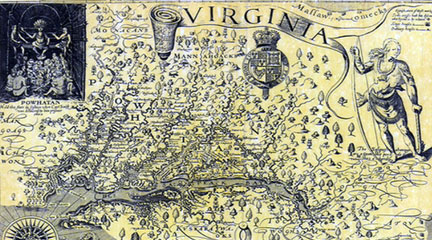
John Smith Map
Watch Smithsonian curator Barbara Clark Smith discuss John Smith’s Map of Virginia published in London in 1612.
John Brown's Body
Chandra Manning discusses the song “John Brown’s Body,” and how music can be an important source in discovering the past.
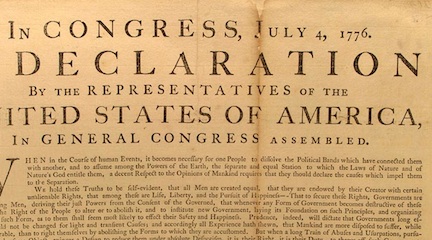
Declaration of Independence
Historian Rosemarie Zagarri reads the Declaration of Independence closely, taking time to define its context and its effects.
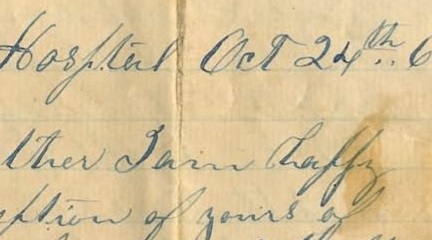
Civil War Letters
Historian Chandra Manning analyzes Civil War letters from black and white Union soldiers and a Confederate soldier.
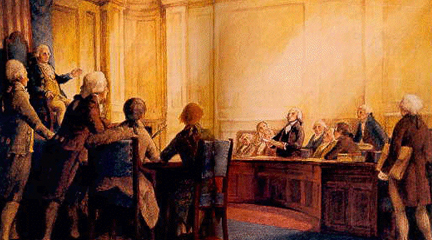
Bill of Rights
Whitman Ridgway outlines some of the context in which the Bill of Rights was created and arguments surrounding its creation.
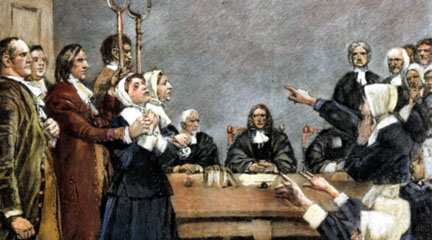
The Salem Witch Trials
Absolving the guilty and punishing the innocent. Historian Elizabeth Reis looks at primary sources recording testimony in witchcraft trials.
Lincoln's Second Inaugural Address
Teaching the Reconstruction? Ford’s Theatre’s Sarah Jencks leads teachers through Abraham Lincoln’s Second Inaugural Address and follow-up activities.
The Barbary Pirates: Letter from Tripoli
Two letters from 1800 Tripoli lead into a story of piracy, privateering, slavery, international politics, and war at sea and on land.
FDR's Fireside Chats
Historian Allida Black analyzes FDR’s April 28, 1935 Fireside Chat. What ideas and arguments does FDR present to the American people?
My Lai Massacre Political Cartoon
Professor Meredith Lair examines a 1971 political cartoon and what it says about U.S. reaction to the My Lai Massacre and the trial of Lt. Willam Calley.
Cross-checking Sources and Testing Hypotheses
Challenge students to gather evidence from multiple primary sources. Here, a high school student uses two related primary sources to understand the civil rights …
Reading for Context
If students lack historical context, they can miss the substance of a reading. Watch a high school sophomore use what he knows about the 1950s and 1960s to …
Close Reading for Vocabulary, Context, and Tone
Analyzing a source requires context for a more complete understanding.

Primary Sources as Windows into the Past
Excite students by introducing them to primary sources that answer questions they have—not just questions you pose to them.
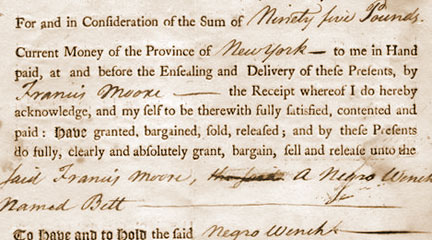
Slave Receipts
What do slave receipts reveal? Ever considered using similar documents to teach?
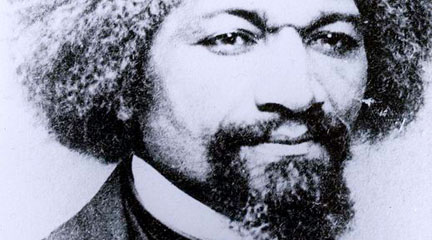
Frederick Douglass's Autobiographies
Use autobiographies to deconstruct views of slavery and historical heroes.
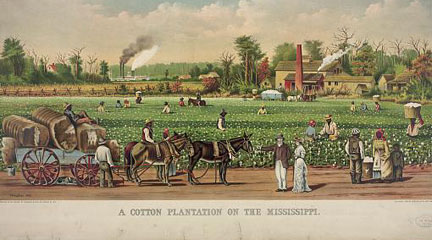
Narratives of Slavery
One institution, two very different perspectives. An expert contrasts records.
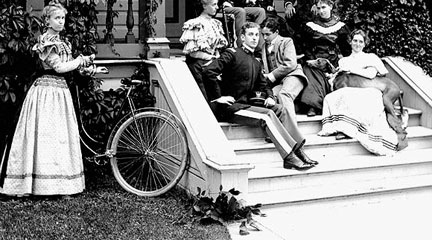
Daily Objects, 19th-century America
With the advent of industry and western expansion, U.S. businesses mass produced dreams of affluence and progress.
Jefferson's Confidential Letter to Congress
Jefferson, surprised by the Louisiana Purchase? Maybe not. Historian Leah Glaser looks at a letter from Jefferson requesting funding for the Corps of Discovery.
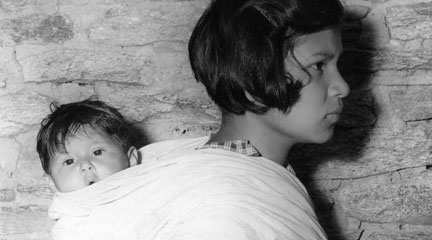
Cherokee Law of Blood
A Cherokee Nation Supreme Court document reveals the fluidity of racial identity.
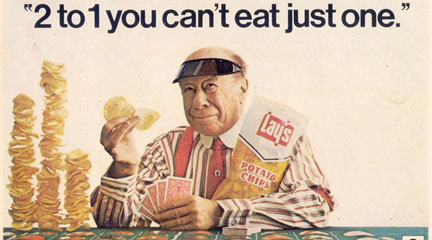
Creative Memo on Lay's Products
Potato chip marketing—how a luxury item became an everyday U.S. food.
Intertextual Reading of Two Primary Documents
A student demonstrates thinking aloud reading two documents.
Close Reading of a Primary Document
On the website Historical Thinking Matters, a student reads aloud a speech by former Louisiana Governor Huey Long.
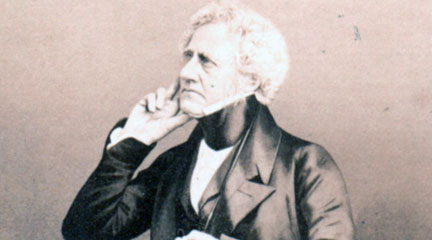
Seeing (and Engaging in) Historical Thinking: A Tutorial
This interactive tutorial models a four-step process for analyzing historical sources.
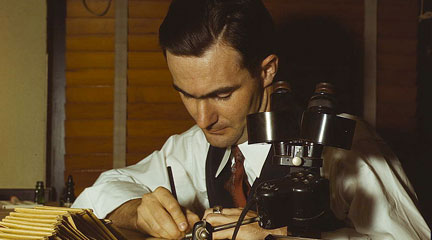
Sourcing a Primary Document
See sourcing in action, as a historian reads a document about the Scopes Trial.
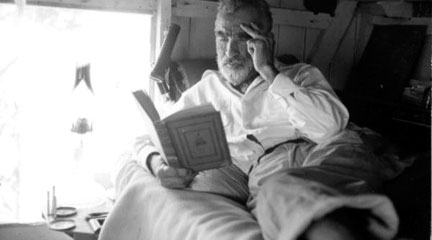
An Introduction to Historical Thinking and Reading
Watch this flash movie for a peek at how historians read and question sources.
No results match your search.