Teaching Guides
Explore new teaching methods and approaches for bringing history to life in the classroom.
Showing 43 of 43 results
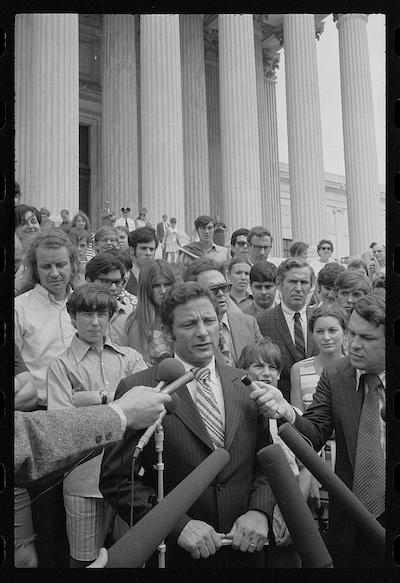
Free Speech Teaching Guide 3: The Problem of National Security Secrets
This guide explores the relationship between secrecy and the First Amendment by exploring two interrelated legal problems: the rights of leakers and the press …
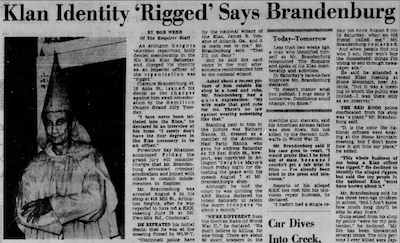
Free Speech Teaching Guide 2: Brandenburg v. Ohio (1969): Defining and Arguing Hate Speech
This teaching guide includes a structured guide to explaining the case to students, a classroom exercise on the value of tolerating hateful speech, and a …
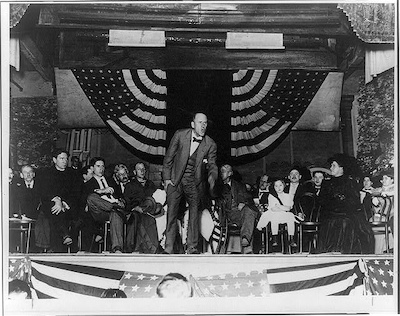
Free Speech Teaching Guide 1: The Birth of the Modern First Amendment and How Oliver Wendell Holmes Changed His Mind
This guide focuses on the history of free speech in one crucial year (1919), exploring how one influential Supreme Court justice changed his mind about the …
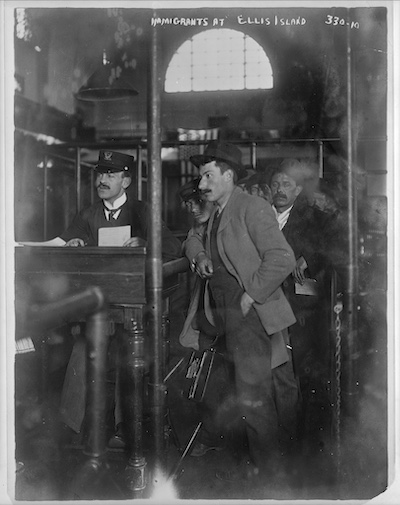
Free Speech Teaching Guide 4: Mandel v. Kleindienst (1972): Censorship via Visa
This guide traces the history of ideological visa denial to explore the intersection between immigration law and the right to free speech. It includes: 1) An …
Incorporating 20th Century US Environmental History in the 6-12 Classroom
This guide consists of curated primary and secondary sources to help students connect environmental history to broader themes in twentieth century US history.
Incorporating 20th Century US Environmental History in the K-5 Classroom
This guide consists of curated primary and secondary sources to help students connect environmental history to broader themes in twentieth century US history.
History of Higher Education: A Guide for Pre-Service Teachers
Help students understand the different types of universities and colleges in the U.S. by examining and analyzing a wide range of photographs from the Library of …
Immigration from Asia Post-1970: A Guide for Pre-Service Teachers
Help students understand recent immigration history by exploring photographs of Asian immigrant communities in the U.S.
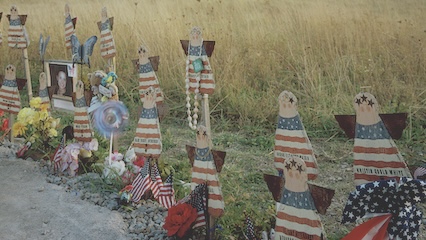
9/11 and Commemoration: A Guide for Pre-Service Teachers
Help students understand the events of 9/11 and how such events are commemorated via informal and formal memorials.
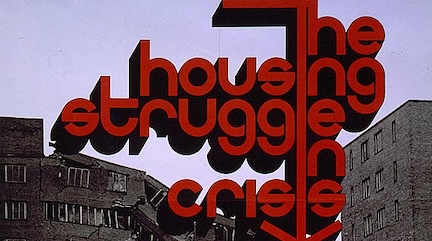
Housing and Houselessness: A Guide for Pre-Service Teachers
Help students understand the how policy and structural forces have shaped how people in the U.S. access housing.
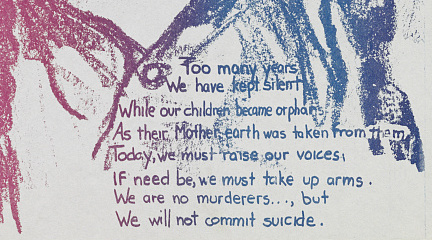
History of Education and Indigenous Americans: A Guide for Pre-Service Teachers
Help students reflect on the purpose of learning history and of education in general by using Library of Congress primary sources to better understand the …
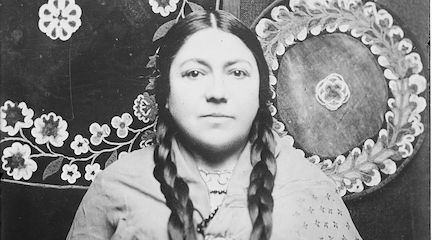
Native Women and Suffrage - Beyond the 19th Amendment: A Guide for Pre-Service Teachers
Using primary sources from the Library of Congress, help students reconsider the standard narrative around women’s suffrage by exploring the history of Native, …
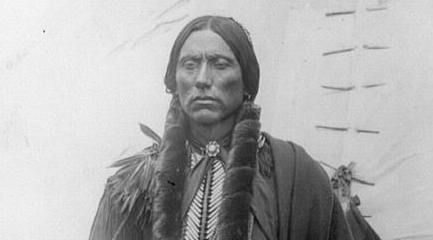
Comanche Nation and "Manifest Destiny": A Guide for Pre-Service Teachers
Help students better understand the history behind the term “Manifest Destiny” by exploring the history of the Comanche people using primary sources from the …
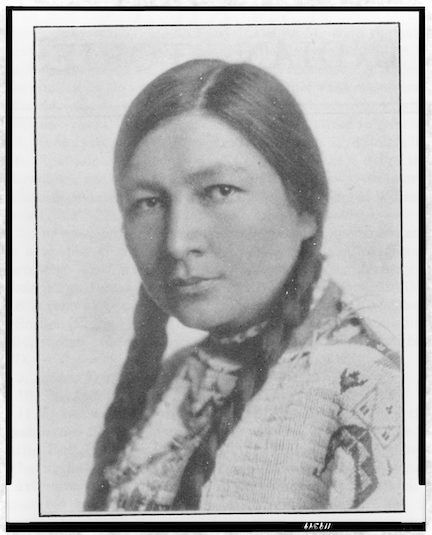
Rethinking "Westward Expansion": A Guide for Preservice Teachers
Help students reconsider the how the expansion of the United States from 1865 to 1890 was perceived by Native peoples in the west using primary sources from the …
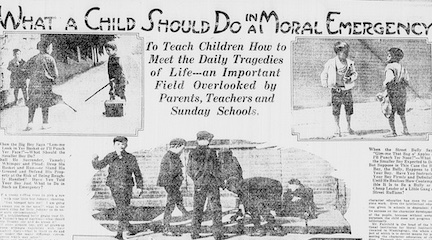
1916 Children's Code of Morality: A Guide for Pre-Service Teachers
Primary sources from the Library of Congress help students explore a fascinating episode from U.S. history: the campaign to teach children to be more moral.
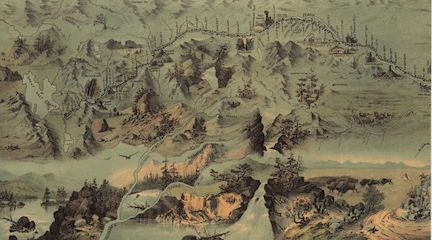
Mormons and Westward Expansion: A Guide for Pre-Service Teachers
Teachers guide students to create interactive digital maps detailing the migration of Mormons using Library of Congress primary sources.
Religion and the Labor Movement: A Guide for Pre-Service Teachers
Engaging Library of Congress primary sources that connect religion and organized labor.
Religion and the Civil War: A Guide for Pre-Service Teachers
Help students understand the how religious beliefs shaped Americans’ understanding of the Civil War using sheet music from the Library of Congress.

Internationalizing History
Discover the resources you need to “globalize” your U.S. history lesson plans!
Crop It
Use this four-step learning routine to deeply explore visual primary sources.
Four Reads: Learning to Read Primary Documents
Teach your students to read like a historian with this guided four-step reading process for primary documents.
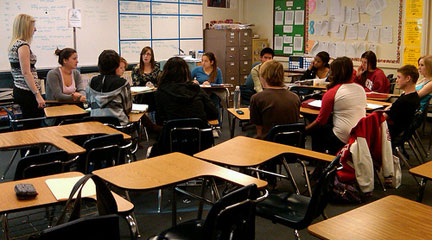
Document-Based Whole-Class Discussion
Classroom discussions need not be argumentative and unproductive. Discover a way to facilitate healthy discussion in your classroom.
The Research Paper: Developing Historical Questions
Research papers are not an archaic form of assessment. Learn how to help your students with the research paper composition process.

Webquest, Inquiry, and Lincoln’s Views on Technology
Searching for new, exciting ways to engage your students in the classroom? Why not make them internet detectives?
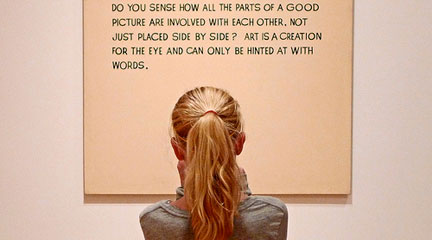
Concept Formation
In order to understand topics, you must first understand concepts. Learn all about conceptualization here!
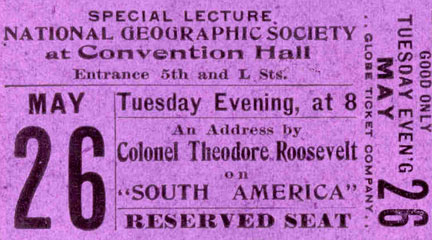
Using Historical Ephemera in the Classroom
Ticket stubs. Report cards. Photographs. All of these things have historical meaning.
Stop Action and Assess Alternatives
Teach students to explore contingency with this great lesson plan idea.
Teaching with Timelines
Construct an ongoing, shared classroom timeline in middle and elementary classrooms, and help students tackle the chronology of history.

Mystery Strategy for Elementary Students
Using the premise of a mystery, elementary students act as history detectives as they explore a historical question and formulate and test hypotheses.
Students Working in Local Historic Preservation
Engage your students in preserving local history! Use this teacher’s successful service learning activity to guide you.
What Is an "Inquiry Lesson"?
Hypothesize, test, and acknowledge how sources form different “pictures of the past”.
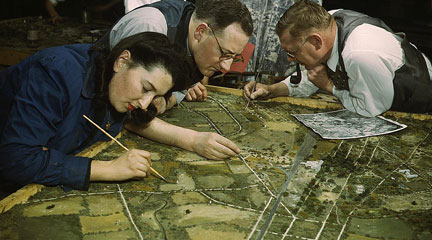
Using Old Maps as Tools to Explore Our World
Maps show far more than how to go from point A to point B! Discover how to incorporate maps into your classroom.
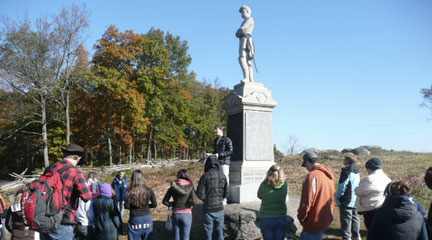
Truth in Transit: Crafting Meaningful Field Trips
Leave your students with intellectually and emotionally significant memories of their own experiences with history.
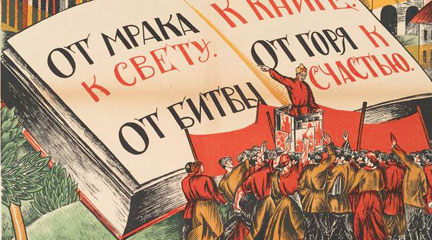
Adapting Documents for the Classroom: Equity and Access
Documents are riddled with difficult vocabulary. Don’t be afraid to adapt texts.
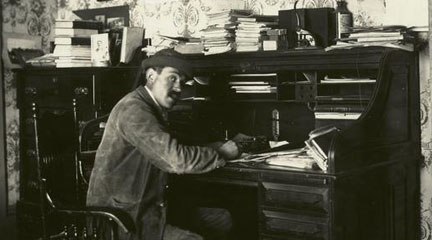
Writing to Learn History: Annotations and Mini-Writes
A pen or pencil in your student’s hand is an excellent tool for teaching historical analysis.
Tramping Through History: Crafting Individual Field Trips
Go forth, and contextualize! Give students the opportunity for solo connection to historical places.
Historical Agency in History Book Sets (HBS)
Looking for ways to use fiction in your elementary history curriculum? Read on for suggestions!
Using Blogs in a History Classroom
Setting up and maintaining a blog for your classroom is easy (and typically free)!
Stating Your Case: Writing Thesis Statements Effectively
Thesis statements form the backbone of history essays and DBQs.
![Well-behaved Women [and Men] Seldom Make History](/files/WellBehaved432x240.jpg)
Well-behaved Women [and Men] Seldom Make History
Help your elementary school students get more out of historical biographies.

Applying KWL Guides to Sources with Elementary Students
To engage with a source, ask, “What do I know, what do I want to know, and what have I learned?”
Interpreting Political Cartoons in the History Classroom
Political cartoons are often conceptually complex, but offer valuable insights into history.
Structured Academic Controversy (SAC)
Are classroom discussions about winning the argument or about understanding alternative positions?
No results match your search.