Lesson Plan Reviews
Evaluate key elements of effective teaching with reviewed lesson plans covering a wide range of historical topics and periods.
View All →Theodore Roosevelt and the 1912 Election
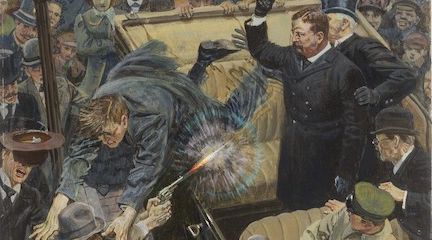
Students learn more about the larger than life figure of Theodore Roosevelt through sources related to the presidential …
John F. Kennedy and Service
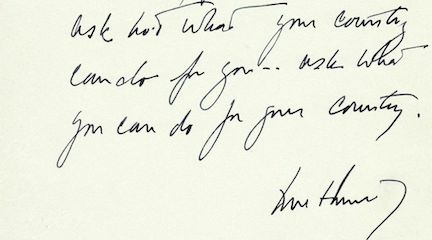
Students learn about John F. Kennedy and his ideas about service as a prompt to explore what service means in their …
Abraham Lincoln and the Jews
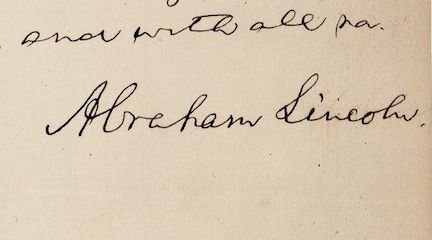
Students learn about the sixteenth president’s relationship with Jewish Americans and his policy of religious tolerance.
American Tourists and the Holy Land, 1865-1900
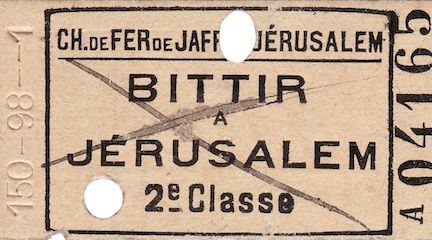
Help students make connections between religion, technology, and American culture in this teaching module.
Transportation: Past, Present and Future
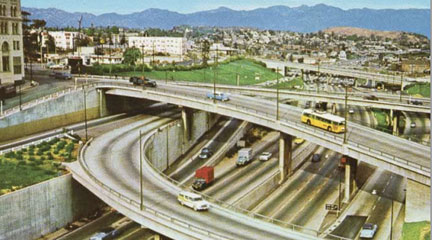
What pushes and pulls people into new ways of life? In this lesson, students use artifacts, documents, and photographs …
Labor Unions in the Cotton Mills

Introduce students to the importance of oral history while simultaneously teaching them about 20th-century labor unions.
My Piece of History

Even the recent past was very different from the present. Students analyze photos from the 1960s and 1970s to identify …
The Short-Handled Hoe
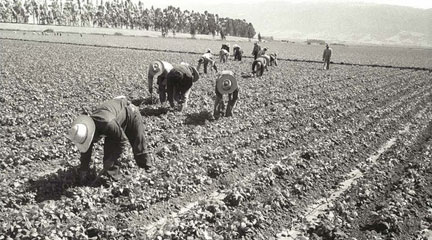
History is imbedded in the smallest objects. In this lesson, students examine how a simple farming tool connects to the …
Tenement Life
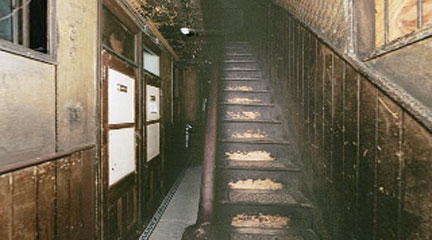
Students examine primary sources related to the life of an immigrant girl and her family to discover what life might …
Organizing History Through Images
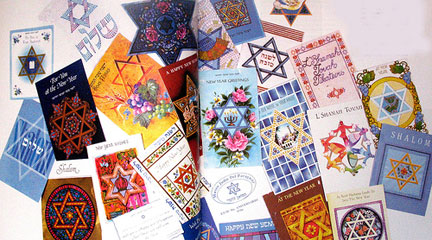
In this lesson, students will organize photographs both chronologically and conceptually in order to construct a …
Prequel to Independence
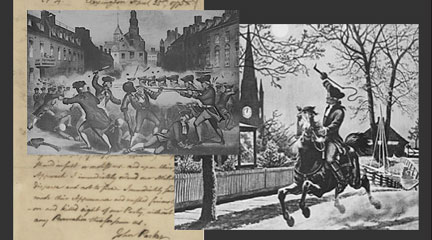
Teach your students about causality with this useful activity.
Decoding U.S. Foreign Policy: The Iran-Contra Affair
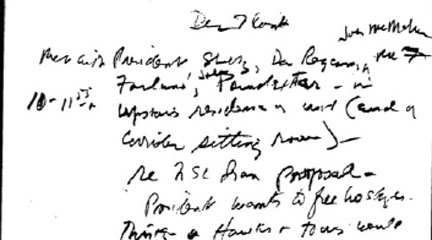
Through the lens of documents concerning the Iran-Contra Affair, this lesson enables students to examine how audience …
The Road to Pearl Harbor

Explore the rise of animosity between the U.S. and Japan through primary source documents and related classroom …
Propaganda and World War II

Help students understand wartime propaganda with this excellent lesson plan.
What Really Happened? Comparing Stories of the First Thanksgiving
Take a variety of perspectives into account before moving past the first Thanksgiving.
What Do You Mean?: How Language Changes Over Time
This creative lesson transforms language into a historic artifact and enables students to analyze how language changes …
Locate Yourself on a Map of the Americas

Young students locate themselves on a map and explore spatial relationships among geographic features.
Divining America: Religion in American History
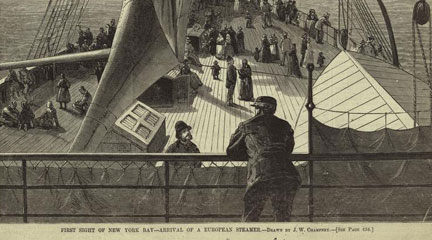
Use this essay on Jewish immigration to flesh out a unit on the Civil War or immigration.
Examining the Korean War
Allow students to explore historical events through multiple perspectives with this lesson.
Causation: The War of 1812 and the Star-Spangled Banner
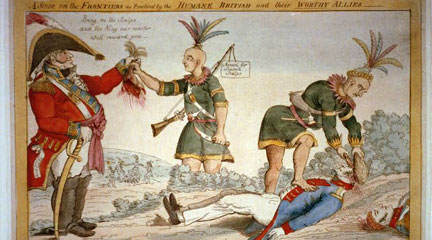
A great way for students to learn more about the War of 1812 and our nation’s emblem: the Star-Spangled Banner.
The Multiple Dilemmas of Abraham Lincoln
An interactive exploration of the decisions Abraham Lincoln had to make during his presidency.
Civil War Photos: What Do You See?
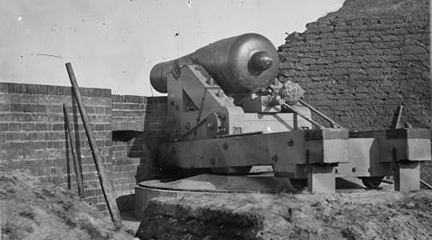
Analysis of photographs of Civil War artillery broadens students understanding of the American Industrial period.
The Cost of Industrialization

Use the Triangle Shirtwaist fire to examine the benefits and costs of industrialization.
Jamestown: The Starving Time
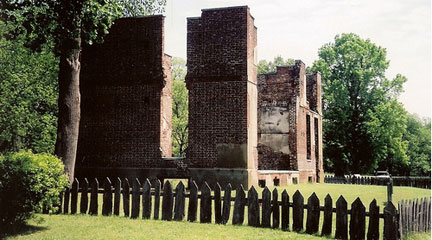
Only 60 settlers out of 600 survived the winter of 1609–1610 in Jamestown Virginia. Was “the Starving Time” due to …
My History at School
To make something real, make it personal. Abstract concepts can best be understood when applied to individual …
New Jersey's Quakers and the American Revolution
Did you know the Quakers were pre-Revolution abolitionists?…
Watergate and the Constitution

To indict or not to indict? Watergate raised complicated questions concerning Constitutional interpretation.
Building the Erie Canal
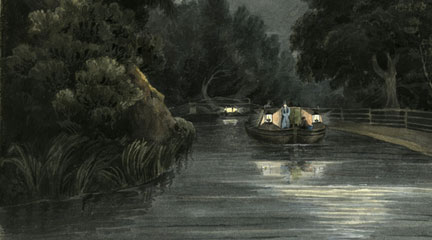
Cutting through New York from the ocean to the Great Lakes, the Erie Canal changed lives.
Woman Suffrage and the 19th Amendment
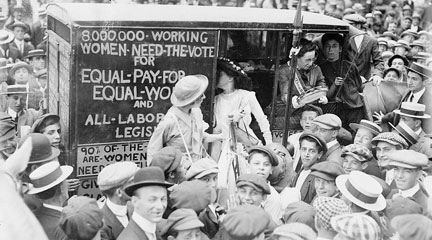
Relive the dream of the women’s vote through roleplay or interfacing with primary documents.
The Progressive Era
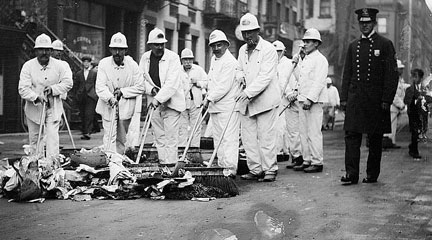
Explore the ins and outs of turn-of-the-century labor law, business, housing, and immigration.
Midnight Ride of Paul Revere: Fact, Fiction, and Artistic License
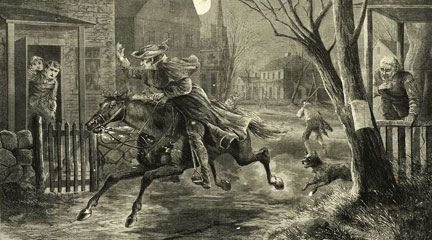
Did Revere’s ride really look like that? Use historical documents to analyze flights of artistic fancy.
Roads to Antietam
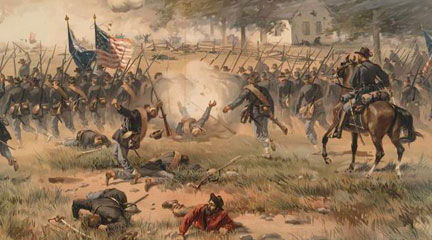
You’re a Union general on the eve of Antietam. You know Lee’s plans. What will you do?
Immigration
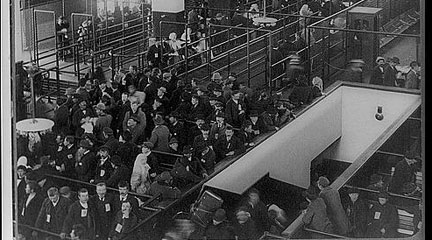
Very few of us have ancestors who were not immigrants. Bring the topic of immigration to life.
The Boston Massacre: Fact, Fiction, or Bad Memory

Help students think about where evidence for history comes from.
What Events Led to Lincoln's Assassination?
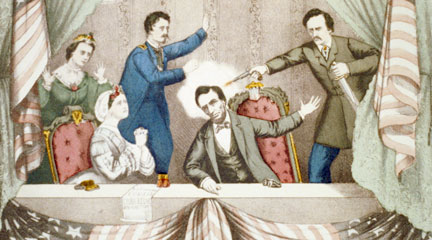
Elementary students investigate the first presidential assassination and debate whether it was avoidable.
Discovering Angel Island: The Story Behind the Poems
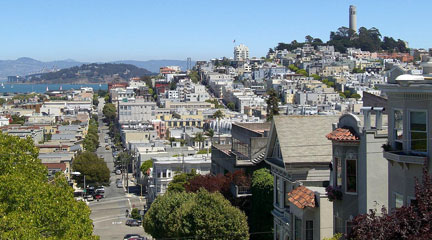
Learn about the experiences of immigrants detained at Angel Island and how this impacted their opinion of the US.
Evaluating the Validity of Information

Did the Chinese discover America before Columbus? How would or does this impact our understanding of European explorers …
Civilian Conservation Corps
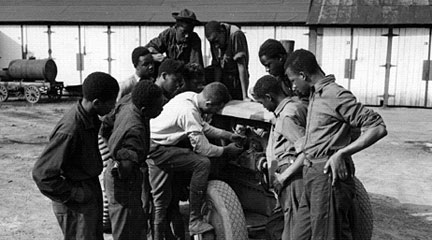
Examine the role of African Americans in the Civilian Conservation Corps during the Great Depression.
Marbury v. Madison
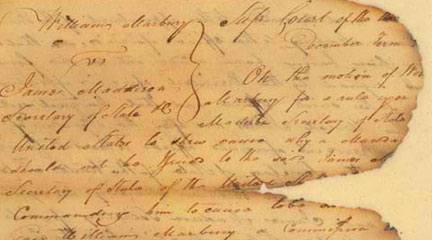
Constitutional or not? Read about this 1803 landmark court case deciding issues of judicial review.
Messages of Houses and Their Contents, 1780-1820
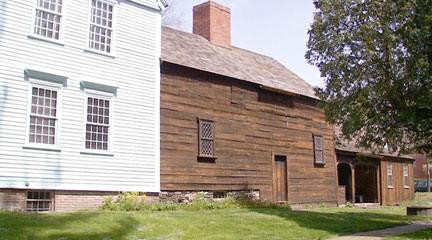
Examining changes in early American homes helps interpret the past. It reflects the transitions that occurred in that …
The Debate in the United States over the League of Nations
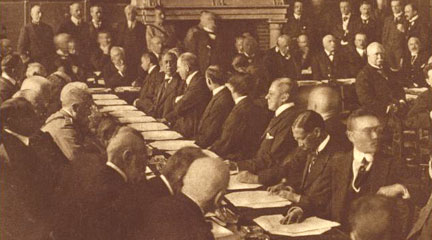
Documents and audio files explain the range of early political viewpoints on the League of Nations.
Three Perspectives on Native American Removal and Westward Expansion
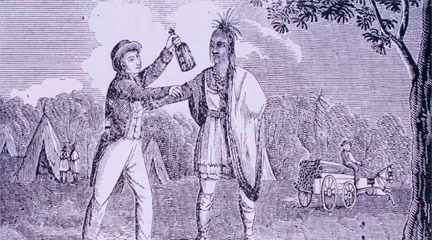
Check out this lesson on arguments surrounding the 1830 forced removal of the Cherokee peoples from their homeland.
Civil Rights and Incarceration
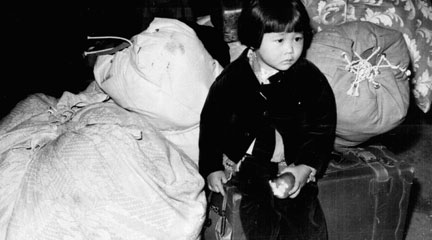
What were the consequences of and motivations for Japanese American removal during World War II?
Abraham Lincoln
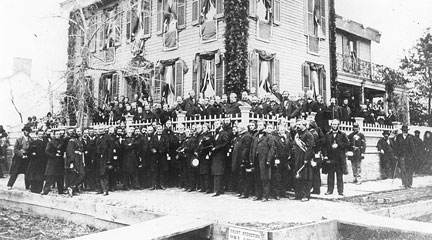
This lesson leads students to see how Lincoln’s life in Springfield influenced important national issues.
Declaration of Independence: Rough Draft to Proclamation

How did the final version of the Declaration differ from Jefferson’s draft?
Opening Up the Textbook: Rosa Parks
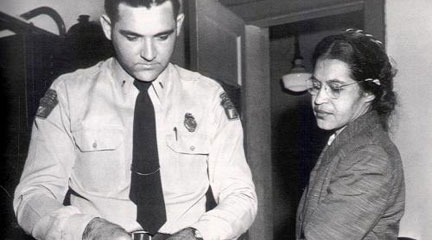
The textbook is examined as one source among many, rather than a final authority.
Lewis and Clark: Same Place, Different Perspectives
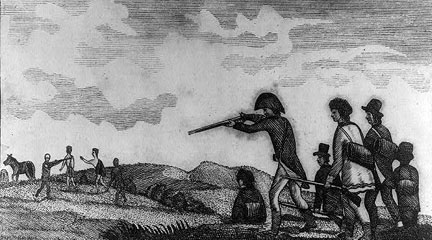
How geography influenced interactions among Lewis, Clark, & Native Americans.
A Look at Slavery through Posters and Broadsides
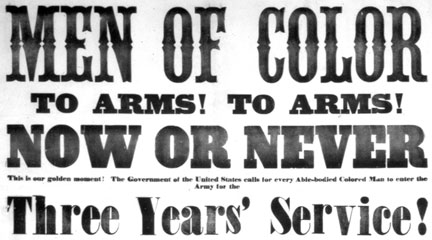
How to identify the author, audience, date, and message of historical posters.
American Presidents
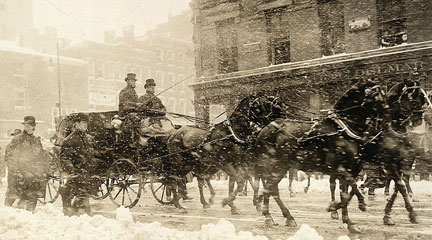
Analyze letters written by America’s presidents to learn more about these men.
Teaching Guides
Explore new teaching methods and approaches for bringing history to life in the classroom.
View All →Free Speech Teaching Guide 3: The Problem of National Security Secrets
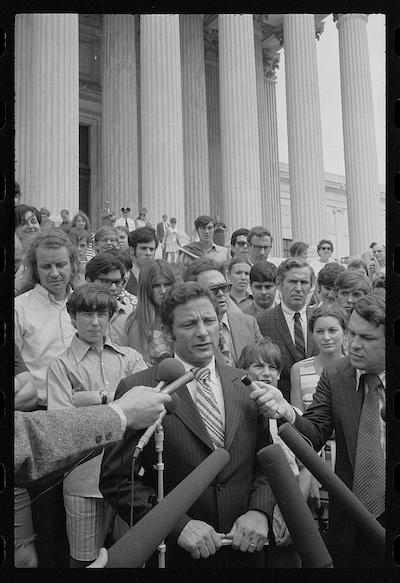
This guide explores the relationship between secrecy and the First Amendment by exploring two interrelated legal …
Free Speech Teaching Guide 2: Brandenburg v. Ohio (1969): Defining and Arguing Hate Speech
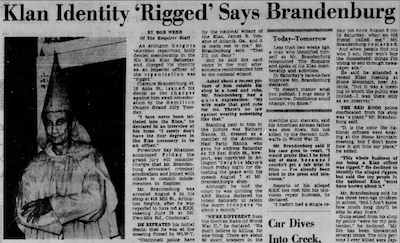
This teaching guide includes a structured guide to explaining the case to students, a classroom exercise on the value of …
Free Speech Teaching Guide 1: The Birth of the Modern First Amendment and How Oliver Wendell Holmes Changed His Mind
This guide focuses on the history of free speech in one crucial year (1919), exploring how one influential Supreme Court …
Free Speech Teaching Guide 4: Mandel v. Kleindienst (1972): Censorship via Visa
This guide traces the history of ideological visa denial to explore the intersection between immigration law and the …
Incorporating 20th Century US Environmental History in the 6-12 Classroom
This guide consists of curated primary and secondary sources to help students connect environmental history to broader …
Incorporating 20th Century US Environmental History in the K-5 Classroom
This guide consists of curated primary and secondary sources to help students connect environmental history to broader …
History of Higher Education: A Guide for Pre-Service Teachers
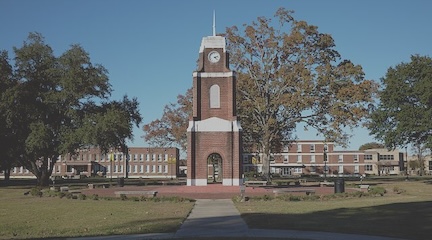
Help students understand the different types of universities and colleges in the U.S. by examining and analyzing a wide …
Immigration from Asia Post-1970: A Guide for Pre-Service Teachers
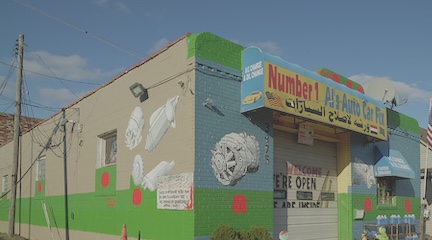
Help students understand recent immigration history by exploring photographs of Asian immigrant communities in the U.S.
9/11 and Commemoration: A Guide for Pre-Service Teachers
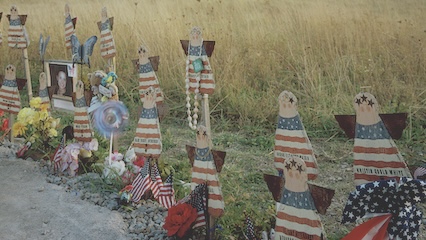
Help students understand the events of 9/11 and how such events are commemorated via informal and formal memorials.
Housing and Houselessness: A Guide for Pre-Service Teachers
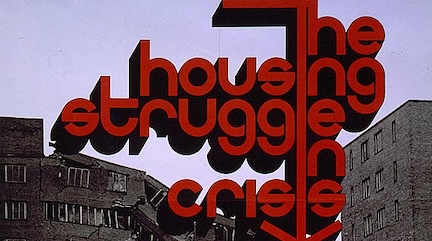
Help students understand the how policy and structural forces have shaped how people in the U.S. access housing.
History of Education and Indigenous Americans: A Guide for Pre-Service Teachers
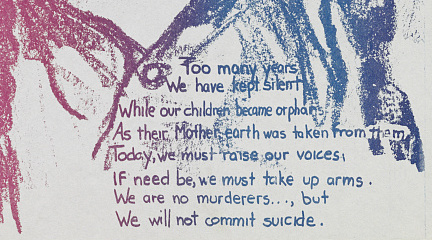
Help students reflect on the purpose of learning history and of education in general by using Library of Congress …
Native Women and Suffrage - Beyond the 19th Amendment: A Guide for Pre-Service Teachers
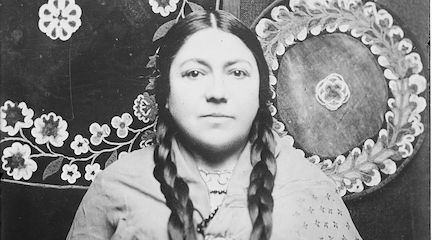
Using primary sources from the Library of Congress, help students reconsider the standard narrative around women’s …
Comanche Nation and "Manifest Destiny": A Guide for Pre-Service Teachers
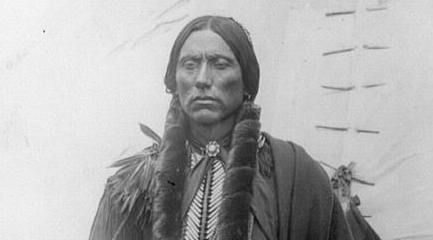
Help students better understand the history behind the term “Manifest Destiny” by exploring the history of the Comanche …
Rethinking "Westward Expansion": A Guide for Preservice Teachers
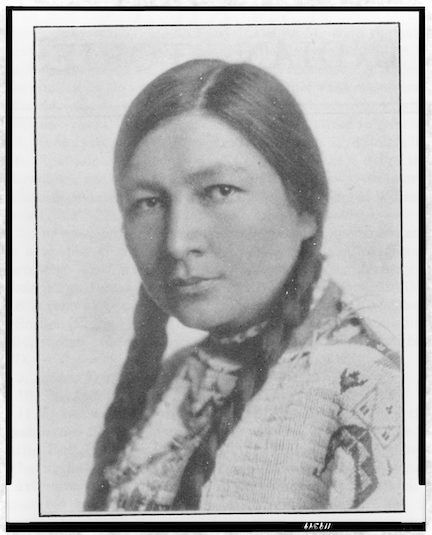
Help students reconsider the how the expansion of the United States from 1865 to 1890 was perceived by Native peoples in …
1916 Children's Code of Morality: A Guide for Pre-Service Teachers
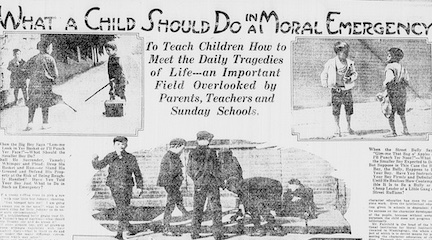
Primary sources from the Library of Congress help students explore a fascinating episode from U.S. history: the campaign …
Mormons and Westward Expansion: A Guide for Pre-Service Teachers
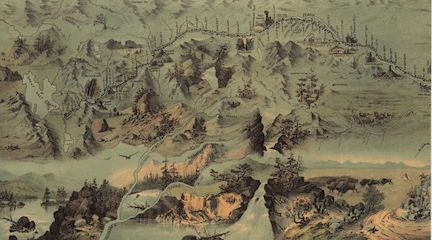
Teachers guide students to create interactive digital maps detailing the migration of Mormons using Library of Congress …
Religion and the Labor Movement: A Guide for Pre-Service Teachers
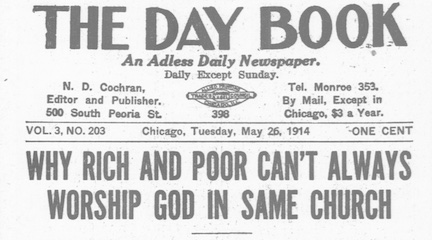
Engaging Library of Congress primary sources that connect religion and organized labor.
Religion and the Civil War: A Guide for Pre-Service Teachers
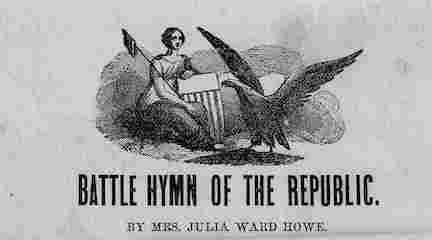
Help students understand the how religious beliefs shaped Americans’ understanding of the Civil War using sheet music …
Internationalizing History
Discover the resources you need to “globalize” your U.S. history lesson plans!
Crop It
Use this four-step learning routine to deeply explore visual primary sources.
Four Reads: Learning to Read Primary Documents
Teach your students to read like a historian with this guided four-step reading process for primary documents.
Document-Based Whole-Class Discussion
Classroom discussions need not be argumentative and unproductive. Discover a way to facilitate healthy discussion in …
The Research Paper: Developing Historical Questions
Research papers are not an archaic form of assessment. Learn how to help your students with the research paper …
Webquest, Inquiry, and Lincoln’s Views on Technology
Searching for new, exciting ways to engage your students in the classroom? Why not make them internet detectives?
Concept Formation
In order to understand topics, you must first understand concepts. Learn all about conceptualization here!
Using Historical Ephemera in the Classroom
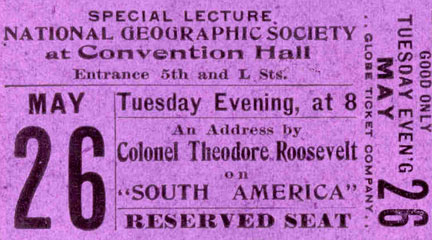
Ticket stubs. Report cards. Photographs. All of these things have historical meaning.
Stop Action and Assess Alternatives
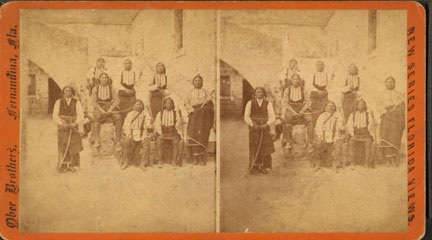
Teach students to explore contingency with this great lesson plan idea.
Teaching with Timelines
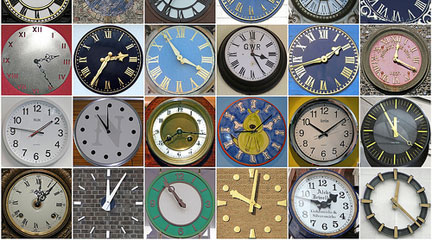
Construct an ongoing, shared classroom timeline in middle and elementary classrooms, and help students tackle the …
Mystery Strategy for Elementary Students
Using the premise of a mystery, elementary students act as history detectives as they explore a historical question and …
Students Working in Local Historic Preservation
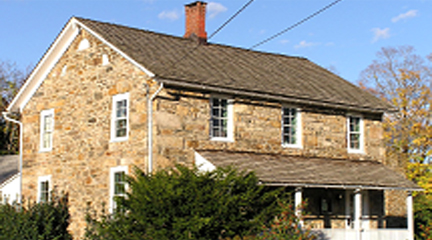
Engage your students in preserving local history! Use this teacher’s successful service learning activity to guide you.
What Is an "Inquiry Lesson"?
Hypothesize, test, and acknowledge how sources form different “pictures of the past”.
Using Old Maps as Tools to Explore Our World
Maps show far more than how to go from point A to point B! Discover how to incorporate maps into your classroom.
Truth in Transit: Crafting Meaningful Field Trips
Leave your students with intellectually and emotionally significant memories of their own experiences with history.
Adapting Documents for the Classroom: Equity and Access
Documents are riddled with difficult vocabulary. Don’t be afraid to adapt texts.
Writing to Learn History: Annotations and Mini-Writes
A pen or pencil in your student’s hand is an excellent tool for teaching historical analysis.
Tramping Through History: Crafting Individual Field Trips
Go forth, and contextualize! Give students the opportunity for solo connection to historical places.
Historical Agency in History Book Sets (HBS)
Looking for ways to use fiction in your elementary history curriculum? Read on for suggestions!
Using Blogs in a History Classroom
Setting up and maintaining a blog for your classroom is easy (and typically free)!
Stating Your Case: Writing Thesis Statements Effectively
Thesis statements form the backbone of history essays and DBQs.
Well-behaved Women [and Men] Seldom Make History
![Well-behaved Women [and Men] Seldom Make History](/files/WellBehaved432x240.jpg)
Help your elementary school students get more out of historical biographies.
Applying KWL Guides to Sources with Elementary Students

To engage with a source, ask, “What do I know, what do I want to know, and what have I learned?”
Interpreting Political Cartoons in the History Classroom
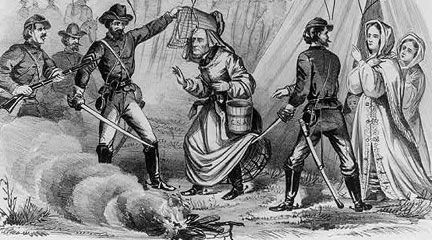
Political cartoons are often conceptually complex, but offer valuable insights into history.
Structured Academic Controversy (SAC)
Are classroom discussions about winning the argument or about understanding alternative positions?
English Language Learners
Instructional strategies and resources for teaching history to English language learners.
View All →The Struggle for Time: Using Persuasive Essays to Teach Elementary History
Educators are all too familiar with the unfortunate truth that what is tested drives a teacher’s instructional focus, …
Increasing Participation in Whole-Class Discussions

Introduction Classroom discussions provide important learning opportunities for students in history classrooms, helping …
Uncovering Human Agency
Academic language is used in specific ways in history textbooks. A lot of complex information is often packed within a …
Using Non-Linguistic Representations to Strengthen Historical Thinking
The classes at the urban San Diego charter school where I teach are not tracked. As a result, 100% of the juniors on …
Talking History
One of the difficulties of teaching history to English language learners is that their thinking is very often far ahead …
Google Translate
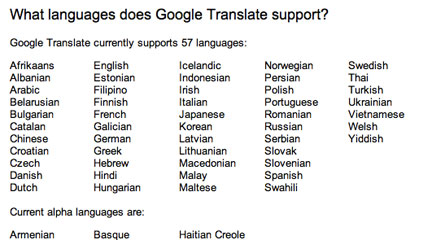
Google Translate is a web based tool which allows its users to instantly translate between 57 different languages. The …
Supporting Text Comprehension and Vocabulary Development Using WordSift
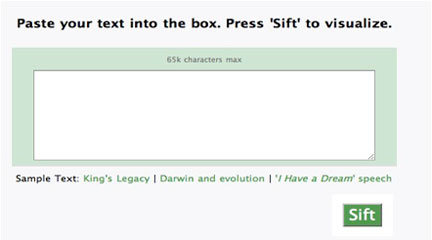
Overview
Targeting Content and English Language Objectives
Integrating English Language Development (ELD) standards and objectives into your lesson planning can strengthen both …
Summarizing and Paraphrasing
Summarizing and paraphrasing is a useful practice for English Language Learners (ELLs) who struggle with understanding …
Using Visuals to Build Interest and Understanding
Teaching history to English Language Learners poses special challenges owing to its conceptual density and assumed …
Why Did It Happen? Making Claims about Cause and Effect
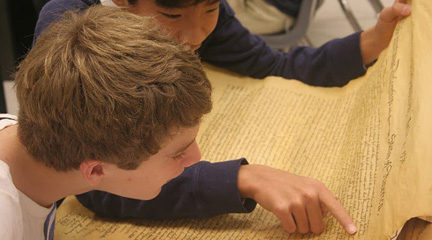
As we ask students to become more sophisticated in their historical thinking, we expect them to move from reporting …
Responding to English Learners’ Writing with the 3 P’s
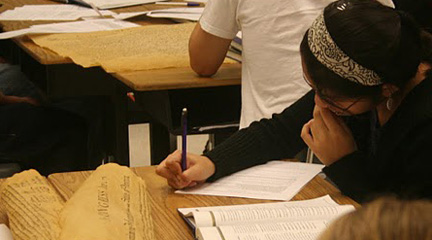
The qualities that make a piece of history writing “good” or “effective” vary, depending on the purpose and genre. For …
SQ3R: Survey, Question, Read, Review, Recite

SQ3R is an effective note-taking system that helps English Language Learners self-monitor their comprehension before, …
Life, Liberty and Property: What’s the Big Idea?
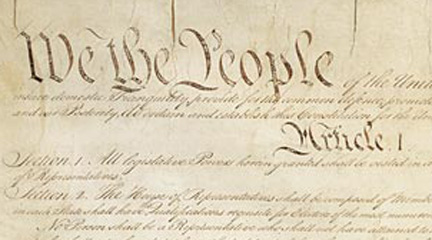
Quick Overview This tried and true lesson, a blend of history and civics, guides students through a process of …
Reframing English Language Development
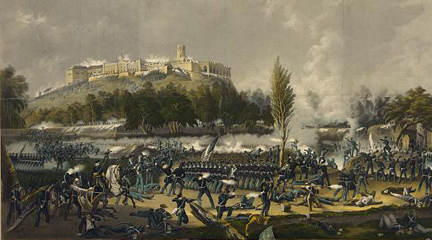
We history teachers who teach English language learners face a dilemma: how can we teach our students a rigorous history …
Great Unsolved Mysteries in Canadian History
The Great Unsolved Mysteries in Canadian History project offers teaching resources and guidance for conducting …
Bracero History Archive
The Bracero History Archive—a collaborative project of George Mason University, the Smithsonian, Brown University, and …
Hispano Music & Culture of the Northern Rio Grande
Hispano Music & Culture of the Northern Rio Grande, housed at the Library of Congress’s digital archive America Memory, …
Electronic Schoolhouse / La Escuela Electronica
The Electronic Schoolhouse / La Escuela Electrónica is a bilingual educational resource of historical resources …
America's Heritage: An Adventure in Liberty
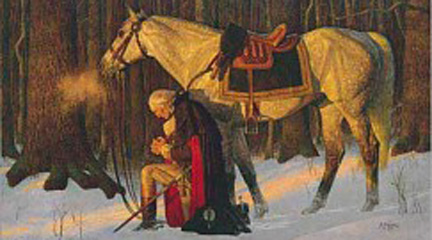
America’s Heritage: An Adventure in Liberty is a curriculum designed to teach students about the roots of our heritage …
World Digital Library
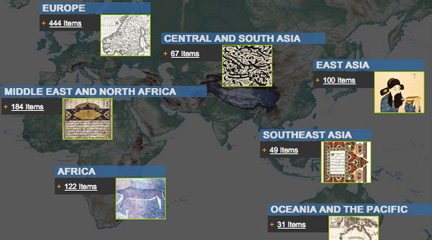
The World Digital Library, a collaborative project of the Library of Congress, UNESCO, and other partners, is a …
Scaffolding with Graphic Organizers

Graphic organizers can be effective scaffolds for all history students, but they can be especially helpful for students …
Using Primary Sources with English Language Learners
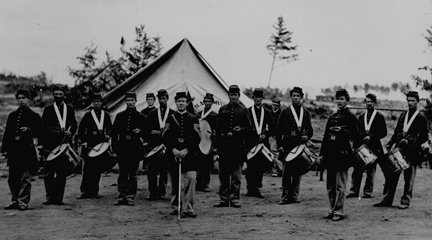
Finding creative ways to include English Language Learners in classroom activities can be challenging regardless of the …
Historical Thinking Matters
Historical Thinking Matters contains sets of primary documents in both English and Spanish that can be used to create …
Exploring Historical Fiction
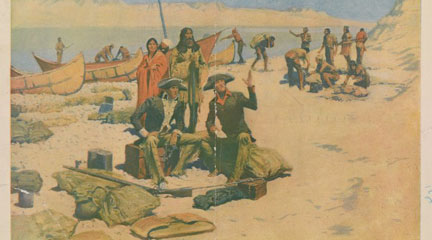
Make the Lewis and Clark expedition and life on the Oregon Trail come alive with these suggestions!
The iPad: A Digital History Gateway
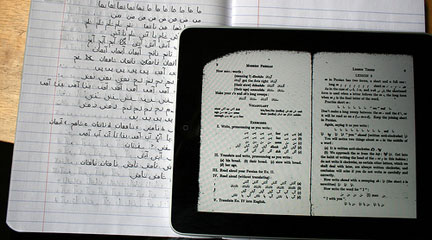
Can iPads open an exciting new world filled with digital textbooks and sources?
Establishing Connections: Teaching the Progressive Era
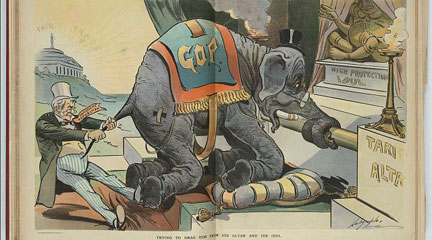
Students are often disconnected from the past. Why not immerse them in historic study by building off things they …
Building Background Knowledge for English Language Learners
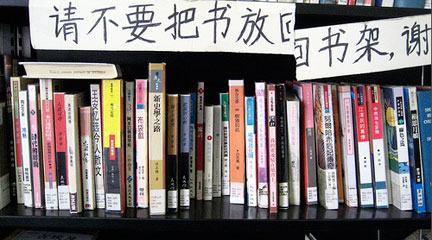
How can we help our 5th-grade ELL students build background and make connections with our social studies curriculum?
World War and Literature
Can you suggest any literature covering World War I to World War II that my 10th-grade world history class can read?
Researching Adolescent Immigrant History
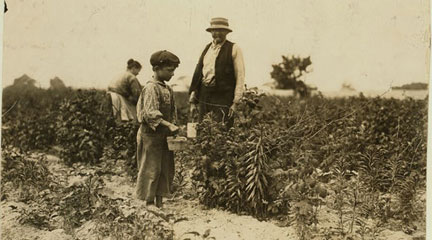
Discover resources that will enable you to examine this unique area of American History.
Rubrics for Learning Menus
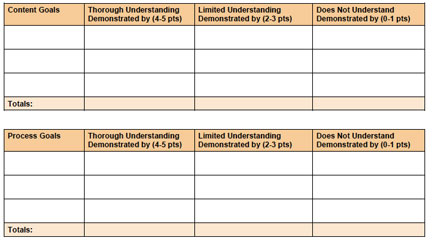
Creating the perfect rubric is an impossible task. Creating a usable, easily adaptable rubric, however, is within your …
Locating Resources on Teachinghistory.org

Have a specific topic you desperately need to locate primary sources for? We’re here to help.
Teaching World History: An Idea Guide

Not sure how to go about devising World History lesson plans and activities? We’re here to help.
Historic Stories, Fictional Accounts: Achieving Multiperspectivity
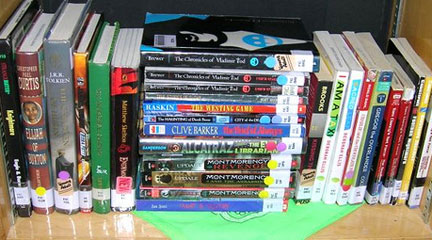
Nonfiction texts are great sources for learning about historical events and figures. However, do fictional accounts also …
Understanding Civic Republicanism
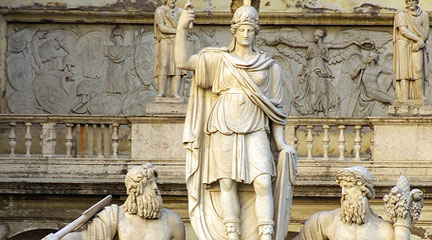
In order for students to grasp the importance of American civic republicanism, they must first understand its origins.
Sifting for Sources
Curious to discover how to introduce young learners to primary and secondary sources? Click here now!
Advice for the Student Teacher
Are you caught between academic advisors and classroom teachers? Feel like you’re being pulled in opposite directions? …
Stop and Source!
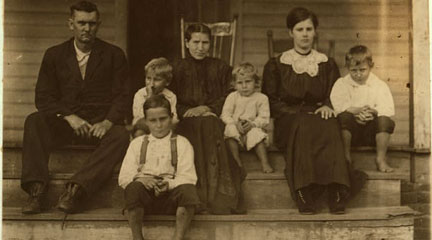
Students get more out of historical photographs when they take the time to explore who took them, where, and why.
North Carolina History+Technology
Incorporating technology is an excellent way to engage students and deepen their understanding.
Resources for Teaching Local History
Unsure how to construct a curriculum that focuses on the history of your area? Click here to alleviate your confusion!
National History Day in Kentucky
NHD is a great way to get students to interact with history. KY teachers check this out!
Brain-based Research
What’s in a brain? Quite a lot actually! Discover how brain research relates to the history classroom.
Teaching High School History at Home
Searching for home schooling solutions? Look no more!
Tips and Tricks for Using Graphic Organizers

Graphic organizers can be tricky. Check out these tips on how to keep them simple!
Slave Badges
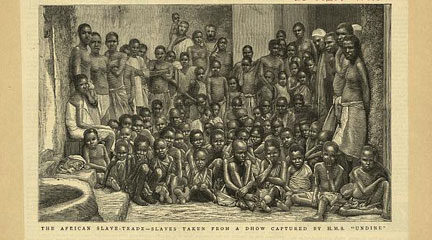
Slave badges were used in Charleston to keep track of slaves. Can you build a lesson for 4th graders around them?
Picking Civics Textbooks
Textbooks may be fantastic, but curriculum is even better.
Researching the Role of the Map in History Teaching
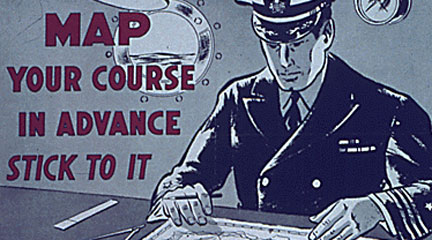
Need to understand the theory behind maps as a history education tool? Look no further.
Making the Most of Maps
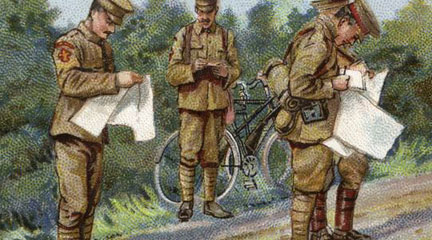
Have you always wanted to use maps in your classroom, but been unsure how to do so?
Bridging the Gap Between Ancient and Modern Democracies
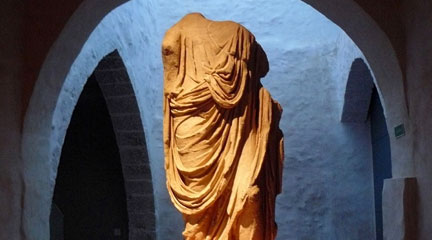
To most students, “histories” are entirely separate—different civilizations, taught at different grade levels.
Setting the Tone: Introducing Students to World War II
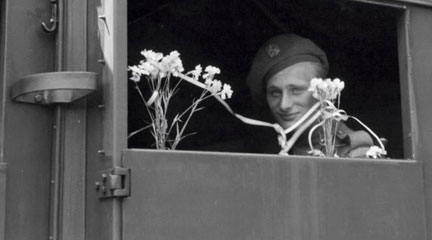
Whichever lesson you pick, make sure it meets your learning goals.
APPARTS Strategy: Origins and Implementation
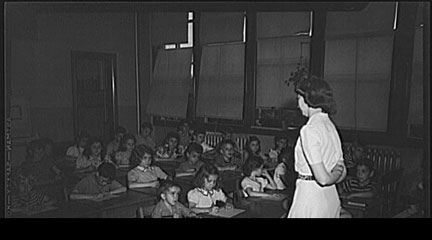
Engrain the APPARTS strategy into young students, and they’ll be well on their way to AP-level performance.
Storytelling with Scrapbooks
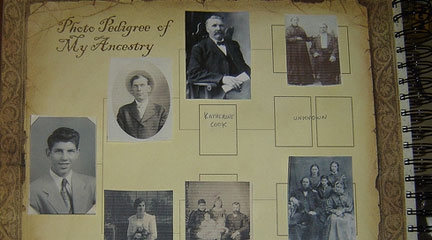
Be a creative teacher—use scrapbooks in YOUR history classroom!
National History Day Project: The Civil Rights Act of 1964
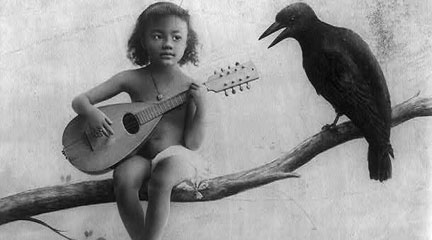
Learn more about the Civil Rights Act of 1964.
Researching the Mexican American War
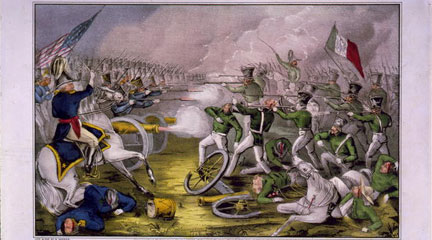
Whether you are writing a paper or just curious, here are some great resources on the Mexican American War.
Making Personal Connections to the Past by Finding Historians
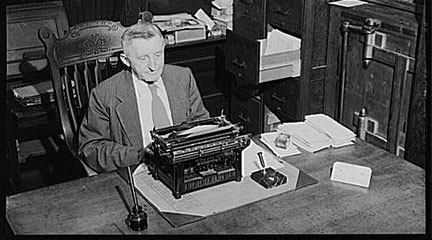
Whether you use the telephone or Skype, there are a number of ways to contact modern historians.
Teaching Imperialism: Incorporating Learning Activities and State Standards
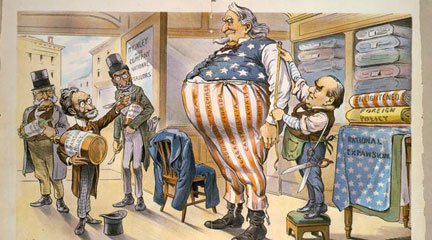
Develop an engaging unit on American Imperialism that streamlines State Standards and Performance Objectives.
Follow the Line
Use these resources to integrate timelines into lesson plans!
Head Start Expectations
What are kindergartners expected to know coming out of Head Start? Find out!
Writing Critiques of Primary and Secondary Sources
Unsure how to properly critique sources? Check out these guidelines.
Web Resources for Controversial Issues
Want to know both sides of an issue? Check out these debate websites!
Teaching the History of Teaching History
So you know you love teaching history, but do you know the history behind teaching history?
Picturing the American Revolution
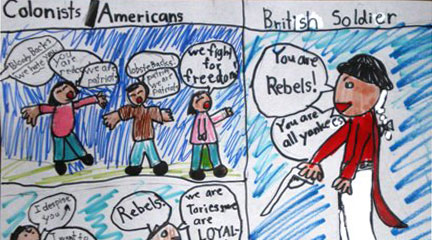
Looking for a creative way to teach the American Revolution to struggling readers? Check this out!
Let's Get Folky
Looking for a way to spice up your lesson plans? Try incorporating folk music!
Interactive World History
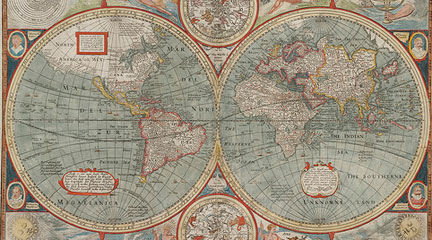
Do you want to introduce a child to the wonders of world history? Find out how!
The Progressive Era: A Group Effort
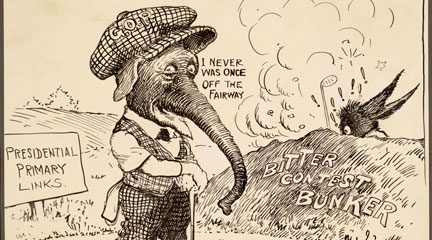
Provides a comprehensive list of websites and strategies to creatively introduce students to Progressive Era topics.
Forming Lesson Plans Around State Mandates
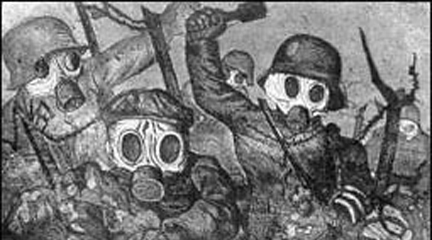
How do you teach the effects of WWI on art and literature? Transforming a content standard into a solid lesson plan.
Using Visual Fine Arts to Enrich Understanding
The socio-cultural impact of historic events or time periods and the interpretation through various forms of media.
Deciphering Primary Source Documents
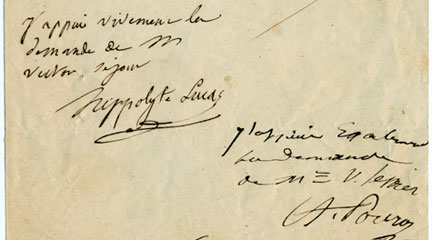
Create scaffolding and careful preparation of documents to promote student understanding of primary sources.
Researching for a Research Topic

Paring down a larger idea to answer one specific question.
Contingency
What is contingency? What does it have to do with K-12 historical thinking?
Lower Level Learners: Teaching Their Way

Regularly assess student understanding, and revise your lesson plans to match the needs of lower level learners.
America: The Story of US
Remember that any historical story, of the U.S. or otherwise, can be useful as long as it’s taken with a grain of salt.
Teaching the Transcontinental Railroad
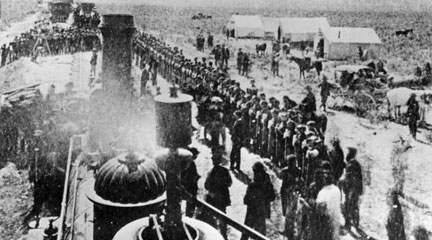
From Chinese immigrants to the Golden Spike, explore the history of the transcontinental railroad.
A Larger Global or Interregional Story
Case studies grab attention, but how can you be sure you’re also teaching the big picture?
Building a Class on Native American History

Museums, colleges, and tribes are invaluable for gathering course-building materials on Native American history.
Tackling Tough Topics
Race, ethics, stereotyping—all are thorny issues integral to our history. How can you encourage empathy?
Meshing History and Montessori Method
In the Montessori philosophy, which prioritizes creativity, how can you best present history?
Constructivism: Actively Building Knowledge
Traditional concepts of knowledge and pedagogy view the student as a “fact sponge.”
Seeking Simulations
For when your students need a healthy dose of participation to liven up the classroom.
Two-Year High School U.S. History Programs

What are the benefits and detriments of implementing a two-year U.S. history course?
Integrating Technology into the Classroom

Upgrade to “school 2.0” through making the most of technological resources.
Resources for Units on Early American Government
When unit planning is daunting, look to exceptional examples online.
Multiperspectivity: What Is It, and Why Use It?

Simply pondering “multiperspectivity” (a European term for “multiple perspectives”) introduces the concept.
Elementary Military History Resources
You don’t have to wait until middle school to teach military history.
Teaching Public Issues in the Classroom
Teach your students to learn, care, and think internationally.
Tennessee's Social Studies Curriculum
Standardization is a fairly new concept in education.
Tall Tales: The West as Legend
Wrestling bears, surly cowboys, vultures circling lone travelers. . . Find resources on American myth.
Performance Assessments Requiring Historical Analysis
When you want your students to think, rather than just remember.
Realizing the Value of Primary Sources
When you just can’t get your students to care what the Founders, or anyone else, wrote.
Resources on Native American History
When the resources readily available to you are just not comprehensive enough.
History is All Around Us
Looking for history right where you are. You’d be surprised how inspiring local history can be.
Finding Local History Resources
Finding resources to teach local history in elementary classrooms.
Online U.S. History Textbooks
Where to begin your search to find reliable online history textbooks.
Data on Students' Knowledge of American History
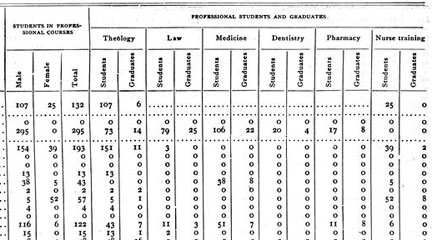
Finding solid data on student learning in history can be a challenge. Here are some places to start.
Teaching the Declaration without Overwhelming Students
Is the Declaration of Independence challenging for your students? Check out these ideas to make this text more …
Seeking U.S. History Books for 9th and 11th Graders
Look for school districts and teachers’ shared lists.
Changes in Teaching History Over the Past 10 Years
In the last 10 years, some major changes in history teaching have taken place.
Bridging the Language Barrier
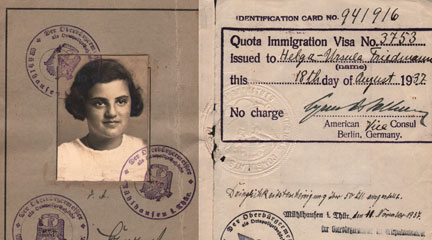
Vocabulary legends, guiding questions, and teamwork are all good solutions.
Teaching the Homebound or Hospitalized

Teaching the homebound or hospitalized student offers a chance to explore teaching with technology.
Teaching with Lectures and Documents
Using a variety of instructional strategies in your classroom makes good sense.
Challenging Gifted 10th Graders
Explore tips on challenging gifted high school students, including resources and strategies.
Using Document Based Questions with Struggling Readers
Should I just try to jazz up our textbook or can you suggest places to look to find documents that my kids can decipher?