Using Primary Sources
Strategies for analyzing primary sources in the classroom.
Showing 38 of 38 results
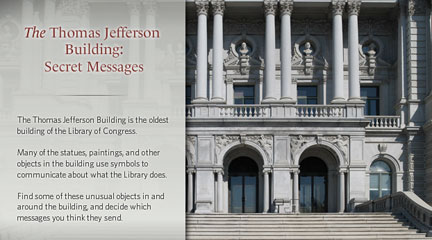
The Thomas Jefferson Building: Secret Messages
What messages are hidden in art and architecture? Explore the Library of Congress’s Jefferson Building in this online activity.
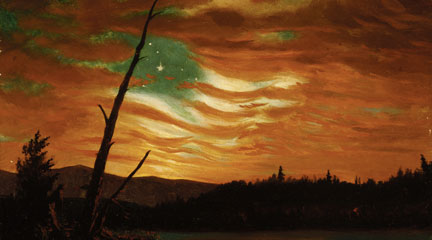
The Civil War in Art: Teaching and Learning Through Chicago Collections
Integrate these two guides into your curriculum to help students develop visual and textual analysis skills.
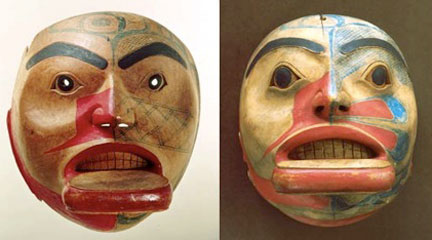
Interactive Exercises—Analyzing Artifacts
In this series of exercises, students are presented with Native American masks and must contextualize them.

Key Concepts in Historical Thinking
Improve your historical analysis skills by learning about different types of causes and evidence.
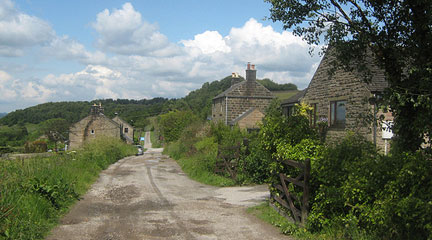
How to Read a Landscape
Discover historic landscapes with this guide to reading the land produced by the University of Wisconsin at Madison.
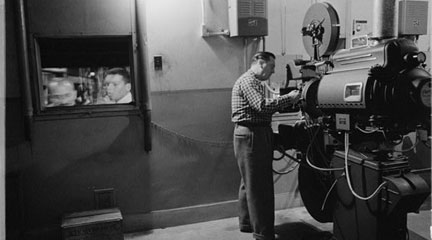
Focus on Film
Transform film from a source of entertainment to a piece of historical evidence.
Thinking Like a Historian
Learn how to teach your students historical thinking with this informative video from the University of Wisconsin-Whitewater.

Bringing History Home’s SOCC Analysis Technique
Explore the SOCC analysis technique with this great website.
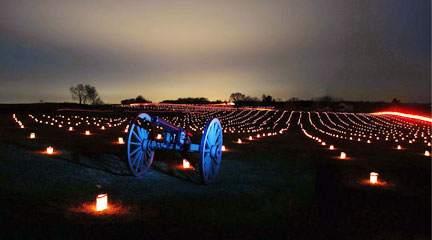
Local History and Student Historians
So you don’t live near Gettysburg or the Alamo—can you still teach with historic place? Of course!
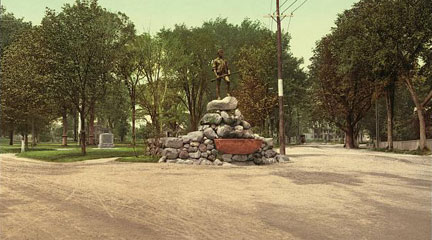
Why Historical Thinking Matters
See this Flash movie for a peek at how historians read and question sources.
Online Primary Source Collections
Check out these sites for excellent primary source material.
Primary Source Sets on the Web
Check out these sites for primary sources grouped into sets by topic, grade-level appropriateness, and other factors.
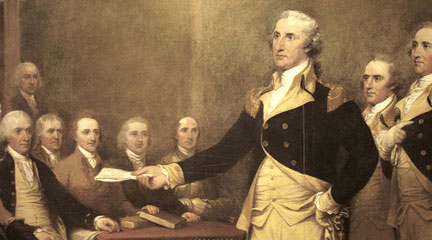
George Washington, A National Treasure
This website by the Smithsonian Portrait Gallery will help students analyze artistic works.
Critically Analyzing Information Sources
This source from Cornell University’s Olin and Uris Libraries includes guidelines for assessing primary source material.

Interactivity
Teach students how to utilize primary sources with this game from Annenberg Media
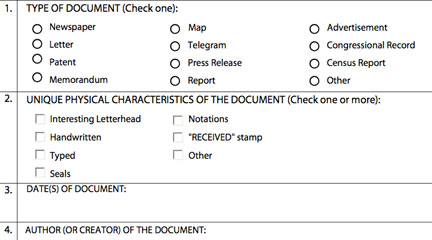
Document Analysis Worksheets
Find the National Archive’s worksheets for analyzing a variety of primary sources.
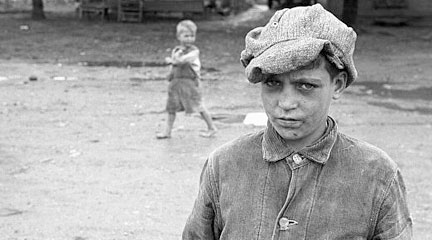
Media Analysis Tools
These worksheets from the Library of Congress help students analyze primary sources.
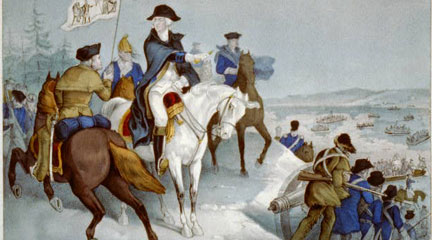
Analyzing Composition in Paintings
Incorporate art into lesson plans with this resource from The Metropolitan Museum of Art.
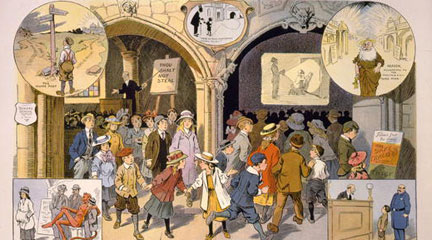
Picturing America
Analyze art in the classroom with these resources from the Picturing America initiative.

Evoking the Past
When visiting historical sites, sometimes you need a visual/emotional “hook” to get students interested.

Teaching with Monuments and Memorials
Every town has a scattering of historical markers and statues. Discover what they really mean!
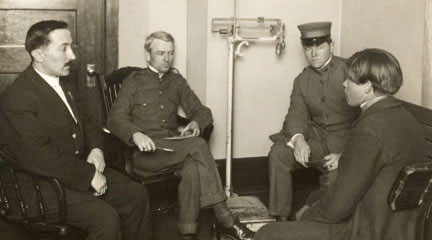
People as Primary Sources: Conducting Interviews
The Bracero Archive’s tutorial shows how to conduct successful interviews.

Reading Like a Historian
Use the Stanford History Education Group’s curriculum to teach historical investigation.
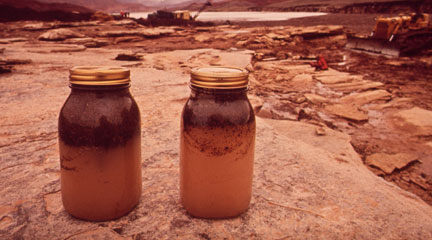
SCIM-C: Historical Source Analysis
Virginia Tech’s short video shows how to analyze primary sources and put them in context.
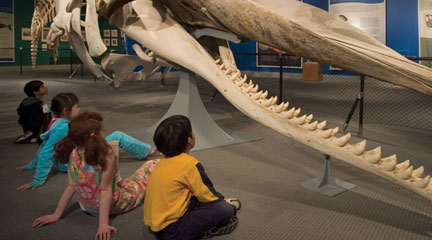
Teaching with Historic Places
Looking for new ideas on how to teach with the historic places in your community?
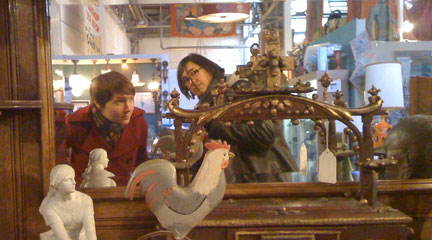
Integrating Material Culture into the Classroom
Use this guide developed by PBS and the Antiques Roadshow to teach about material culture.
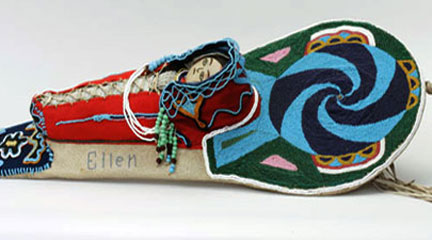
Teaching with Museum Collections
National Park Service lesson plans, teaching materials, and vibrant images reveal what historical objects tell us about history.
Secondary Sources: What Are They?
National History Day identifies secondary sources along with suggestions for their use.
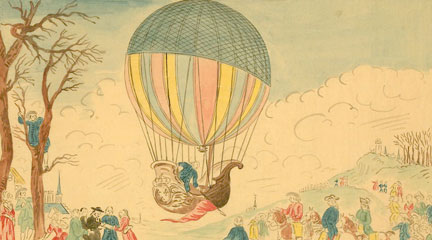
Primary Sources: What Are They?
The National History Day’s guidelines for defining and locating primary sources.
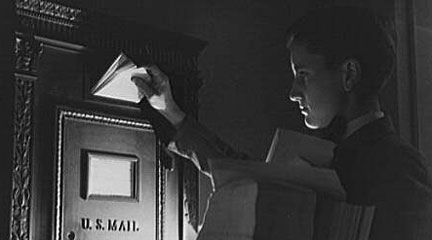
Scholars in Action: Analyzing 19th-Century Letters
Watch a scholar interpret letters from labor activist and reformer Sarah Bagley.
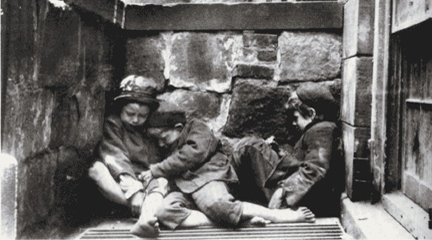
Making Sense of Documentary Photography
Textbook illustrations are often overlooked as historical evidence.
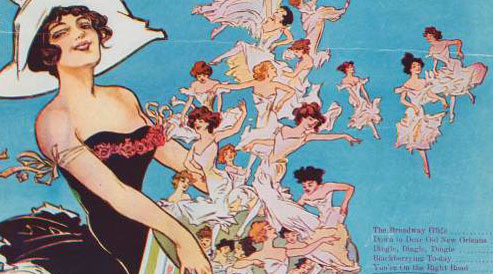
Making Sense of American Popular Songs
Don’t overlook song as a way of understanding the past.
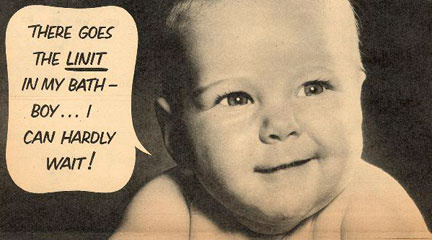
Making Sense of Advertisements
Advertisements have surrounded us for years. How can you interpret them? Where can you find them?
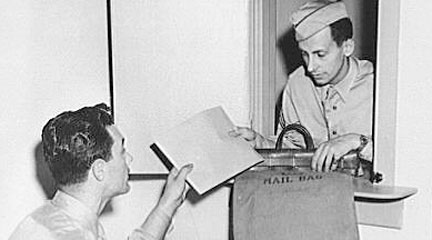
Making Sense of Letters and Diaries
Source and approach letters and diaries with historical thinking.
Making Sense of Numbers
Quantitative data, although seemingly daunting and impersonal, can help you understand the past.
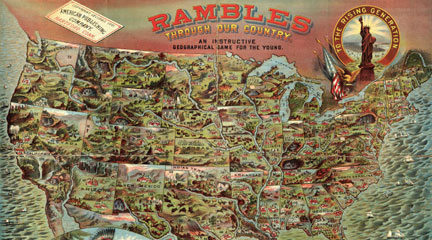
Making Sense of Maps
What questions should you ask when viewing maps as historical evidence?
Making Sense of Films
Work with early twentieth-century film as historical evidence. What questions do you need to ask?
Making Sense of Oral History
Work with oral history interviews as historical evidence.
No results match your search.