Teaching in Action
Teachers demonstrate promising teaching practices in real classrooms.
Showing 24 of 24 results
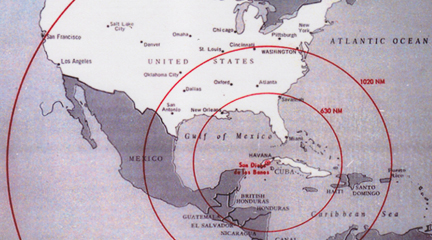
Recreating the Cuban Missile Crisis
Ninth-grade teacher Jamie Kimbrough asked her students to stand in Kennedy’s shoes. How did they decide to resolve the Cuban Missile Crisis?
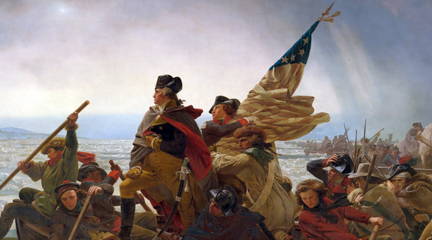
Integrating Language Arts and History
Elementary teacher Karen Eanes hooks her students with engaging historical fiction, art, and primary source excerpts on George Washington’s crossing of the …
Organize Your Thinking to Critically Analyze Text
Discover the multiple strategies 5th-grade teacher Jennifer Brouhard uses in her classroom to promote student understanding of historic texts.
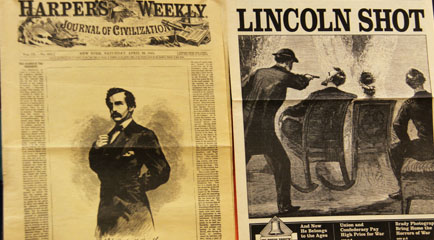
The Assassination of Abraham Lincoln
Teacher Bill Kendrat demonstrates the techniques he uses to draw students in to culturally-familiar stories.
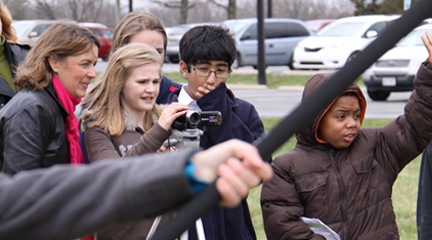
Of the Student, For the Student, By the Student
Sixth graders in Prince William County film their interpretations of the First Battle of Manassas.
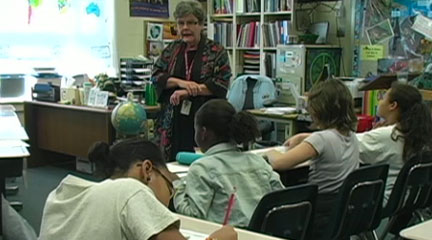
How to Introduce Students to Primary Sources
Introducing your students to primary sources for the first time? Watch fourth-grade teacher Marty MacKenzie guide her students through analyzing John White’s …
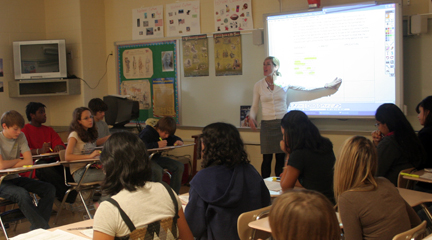
Teaching the Bill of Rights
Daunted by teaching the Bill of Rights and its complex vocabulary to students? Middle-school teacher Christine Valenti explains how she introduces her students …
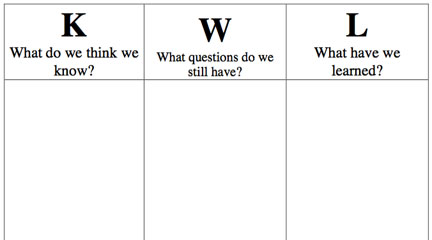
Teaching Strategies for Museums: Graphic Organizers
Eighth-grade teacher Amy Trenkle keeps students on-task before, during, and after a museum visit with graphic organizers.
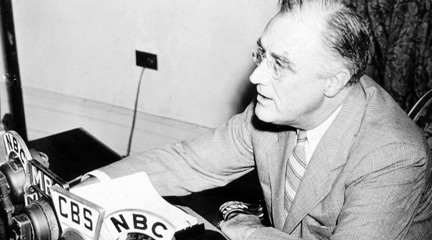
FDR's Fireside Chats
High school teacher Joe Jelen combines roleplaying and critical analysis—by having students roleplay critics of the New Deal. Jelen’s students listen to one of …
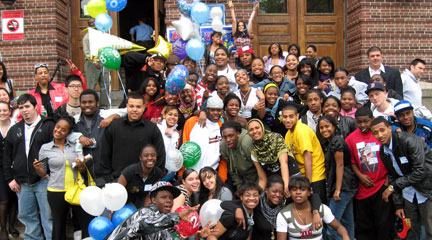
Students in the Community
Is a school an island? James Liou talks about working to integrate schools into the community, as practiced at Boston Community Leadership Academy, Boston, MA.
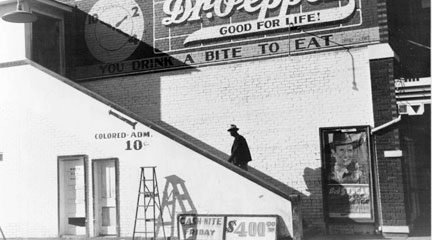
Massive Resistance through Political Cartoons
Watch 4th-graders analyze cartoons about Virginia and Brown v. Board of Education.
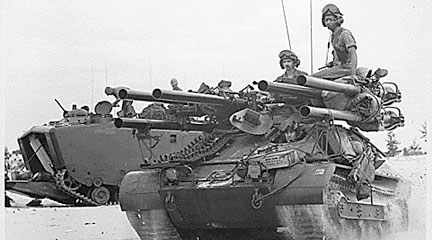
Opening up the Textbook: Voices from My Lai
High school students use primary sources to question their textbook’s narrative on the My Lai massacre.
Geo-Literacy Project: Students Explore Their World
Teacher Eva La Mar’s third graders become historians, writers, and videographers as they explore a community site.
Third Graders Analyzing Historical Sources
A 3rd-grade teacher leads her students through analysis of child labor photographs.
What Does It Mean to Be an American?
An 8th-grade teacher asks: Was early 20th-century America a “melting pot” or a “salad bowl”?
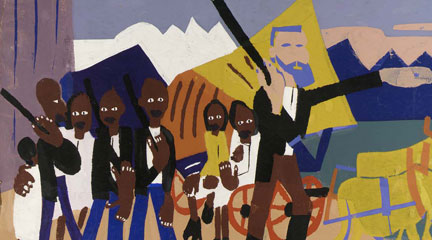
Foundations of American History: John Brown Song
How did people in the North feel about John Brown after his raid on Harpers Ferry?
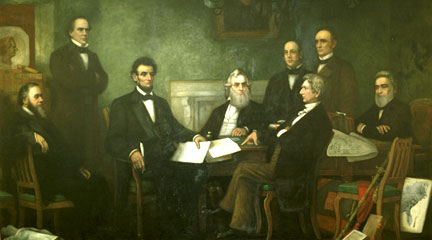
Prologue to Studying the Emancipation Proclamation
An 8th-grade class analyzes letters about the Emancipation Proclamation.

Reading and Thinking Aloud to Understand
Two practices help students to make sense of primary source documents on the internment of Japanese Americans while improving their reading skills.
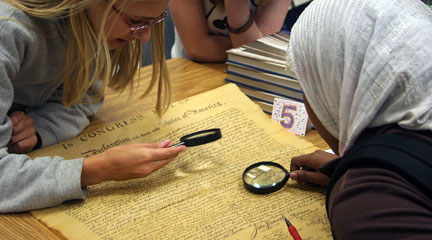
Exploring Historical Texts in a Discussion-Based Class
Trying to promote more productive and engaging discussions?
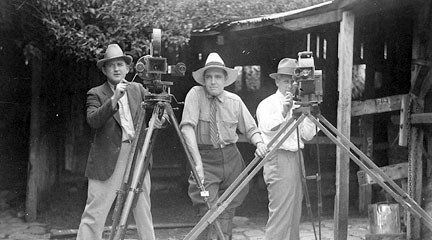
Teaching Historical Interpretation through Planning Documentary Films
Watch this 9th-grade teacher lead his class in planning, writing, and organizing their own documentary films.
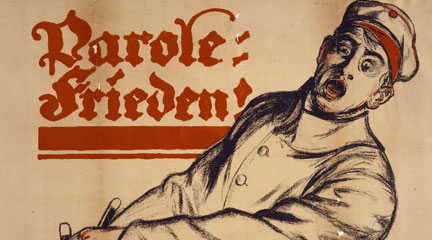
Causes of World War I
Did two bullets begin WWI? Explore causation in your classroom.

Causal Reasoning
The fictional Alphonse the Camel provides insight for one classroom.
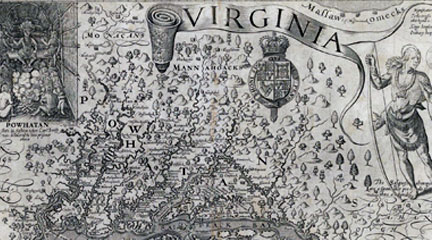
Using Maps as Primary Sources
A 4th-grade teacher shows strategies for encouraging and supporting student analysis of maps.
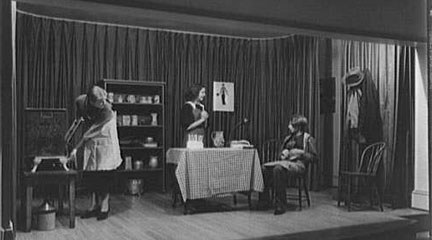
Historical Context and Roleplaying
A 5th-grade teacher teaches historical context through roleplaying activities.
No results match your search.