Piscataway Park and Tobacco Farming
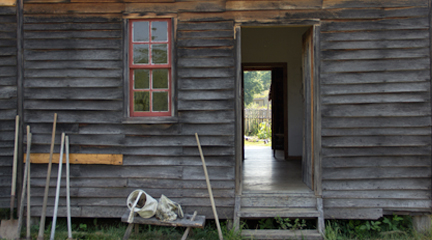
In 1700s Maryland and Virginia, farmers lived and died by the quality of their tobacco. Teachers tour Maryland’s …
Touring Monticello
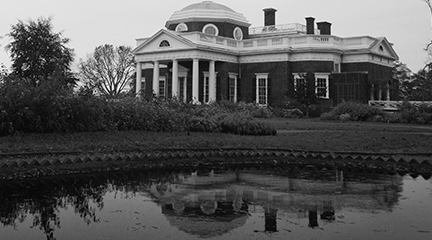
Tour Monticello with TAH teachers and learn about the history behind Thomas Jefferson’s home.
A Close Look at the Ulysses S. Grant Memorial
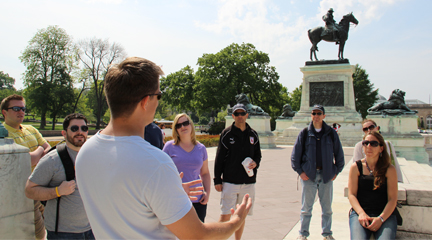
Historian Christopher Hamner engages educators in close questioning of the Ulysses S. Grant Memorial in Washington, DC.
Monticello: Jefferson's Experiment
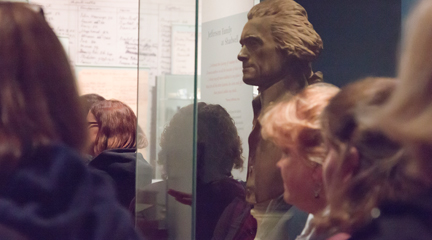
TAH teachers get an introduction to Monticello as Thomas Jefferson’s ’laboratory.'
Pockets from the Past: Daily Life at Monticello
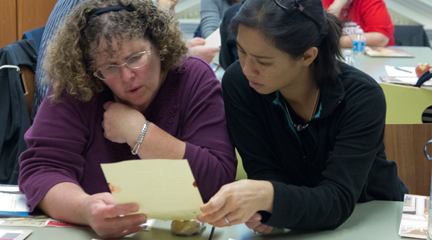
What do the contents of pockets say about their owners? TAH teachers model strategies for examining and questioning …
Smithsonian American Art Museum: "Acehlous and Hercules"
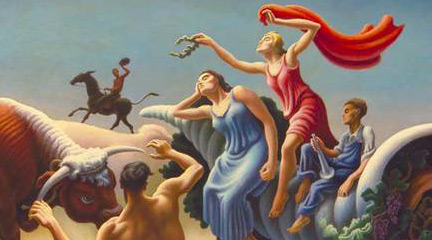
Analyzing a massive primary source? Divide it up! Teachers at the Smithsonian American Art Museum examine a Thomas Hart …
Smithsonian American Art Museum: Teaching with 19th-Century Art
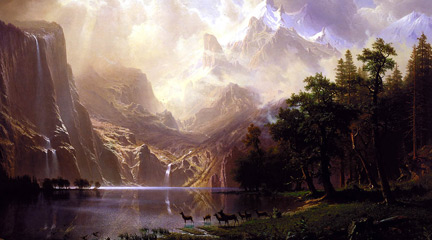
Watch Suzannah Niepold of the Smithsonian American Art Museum guide teachers in analyzing four works of art.
Ford's Theatre: Lincoln's Second Inaugural Address
Ford’s Theatre Society’s Sarah Jencks leads teachers through Abraham Lincoln’s Second Inaugural Address and follow-up …
Smithsonian American Art Museum: "Inventing a Better Mousetrap"
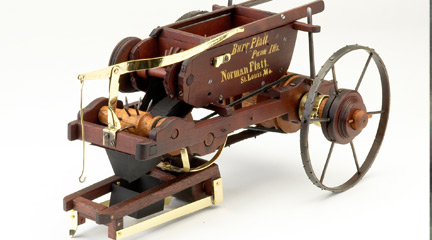
Take a look at artifacts from the past—what might they be? Teachers model questioning objects in this Smithsonian …
Reading Place with the National Building Museum
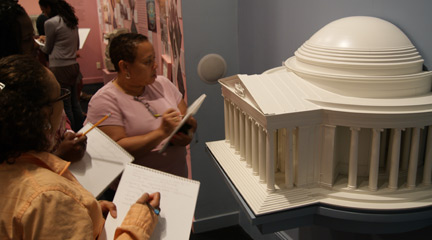
What does architecture say about the past and the present? TAH teachers learn strategies for close examination of …
Visiting the George Mason Memorial
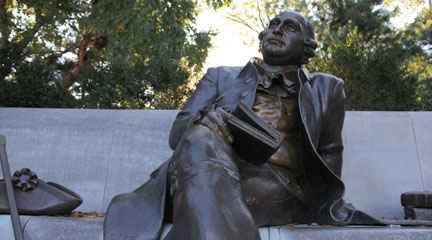
How can you get teachers thinking about monuments and memorials as secondary and primary sources? Historians Christopher …
Smithsonian American Art Museum: "Westward the Course of Empire"
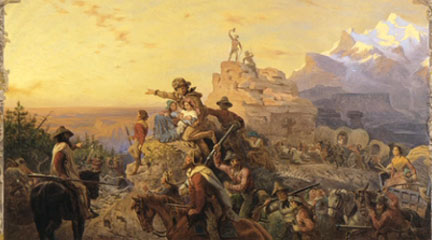
Watch Suzannah Niepold guide TAH teachers through analyzing the differences between two versions of Emanuel Gottlieb …
National Portrait Gallery: Teaching with 19th-Century Portraits
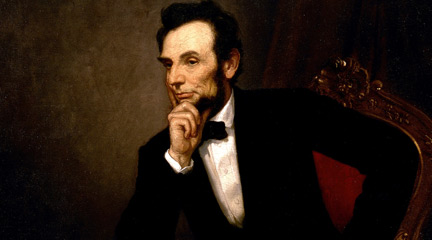
Watch Briana Zavadil White introduce teachers to portraits of inventors and presidents from the 19th century.
Slave Life at Mount Vernon
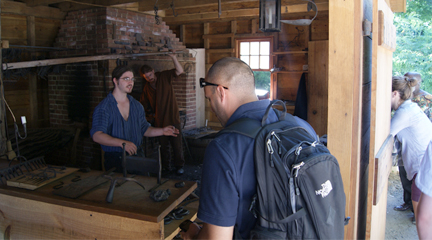
How do the buildings and artifacts at Mount Vernon reflect the lives of the people who lived and worked there? Educators …
Slavery at Jefferson's Monticello: Paradox of Liberty
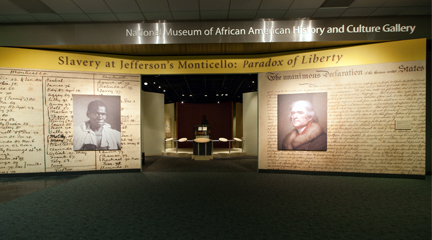
Educators tour the NMAAHC exhibit “Slavery at Jefferson’s Monticello: Paradox of Liberty” and ask about approaches to …
A Close Look at the World War II Memorial
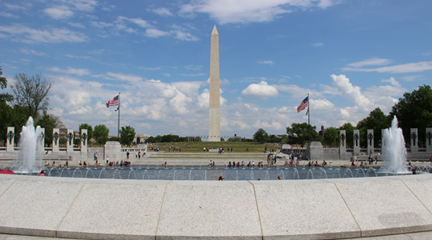
Historian Christopher Hamner introduces educators to the World War II Memorial in Washington, DC. He asks, what was its …
A Close Look at the FDR Memorial
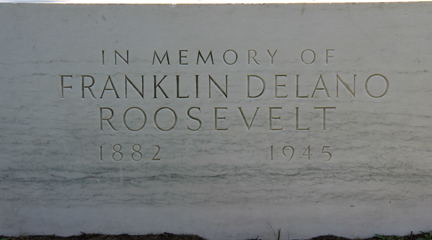
Historian Christopher Hamner visits the original Franklin D. Roosevelt Memorial with educators. They consider the …
The U.S. Holocaust Memorial Museum: Personalizing History
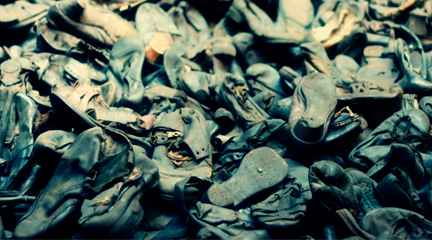
Make large-scale historic events like the Holocaust personal with artifacts and stories from individual human lives.
Smithsonian American Art Museum: Close Observation
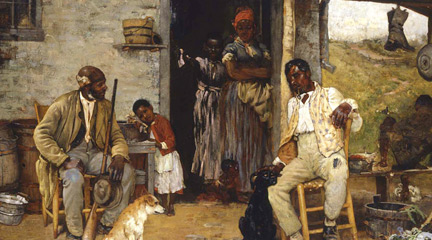
Close observation and an inquisitive mind are all the tools you need to start analyzing primary sources! Teachers model …
Paintings About Segregation
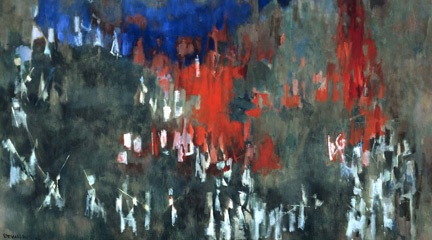
Textbooks describe segregation in a few pages, but these artists share complicated, personal views of how segregation …
Women's Rights: Sarah Bagley Letters
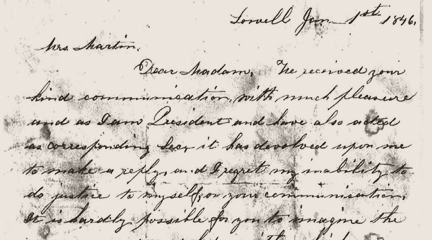
What do these letters from a women’s rights activist reveal about social causes in the 1840s?
Women's Suffrage: Jane Addams's Article
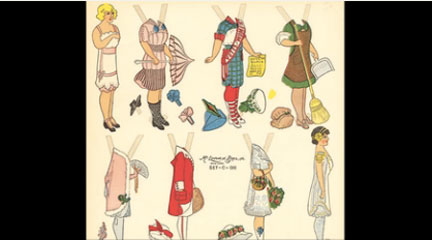
Who was Jane Addams, and how is her article “Why Women Should Vote” still relevant today?
Women's Suffrage: Burroughs's Article
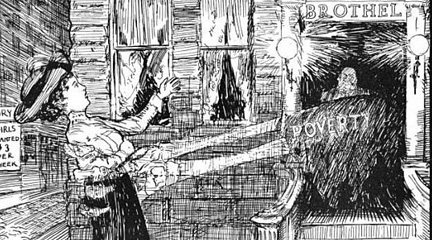
In the struggle for women’s suffrage, how did African American women represent themselves? TJ Boisseau reads an article …
Women's Suffrage Photographs
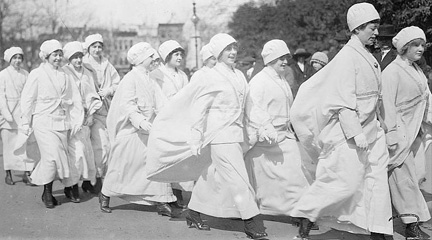
How did the women’s suffrage movement use the rise of journalism to its advantage? TJ Boisseau looks at what photographs …
Women's Suffrage Cartoon
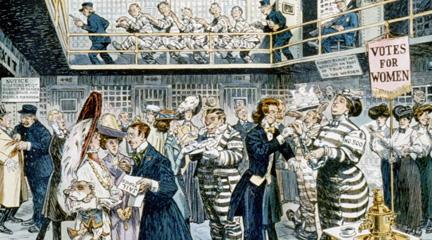
How does a political cartoon use popular beliefs about women to make its point? Historian TJ Boisseau examines the …
World War II Memorial
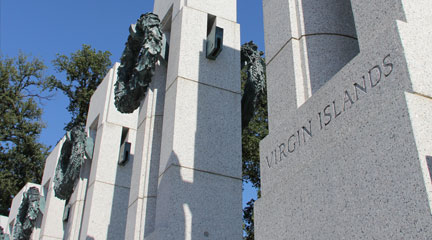
What meanings does the World War II Memorial in Washington, DC, have? Historians Christopher Hamner and Michael O’Malley …
Ulysses S. Grant Memorial
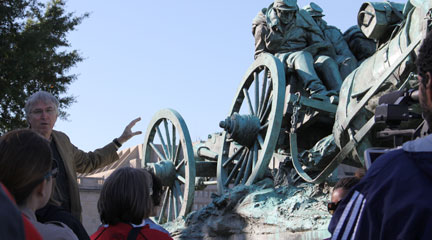
How does the Ulysses S. Grant Memorial in Washington, DC, depict Grant and the Civil War? Historians Christopher Hamner …
Jackie Robinson and Martin Luther King Jr.
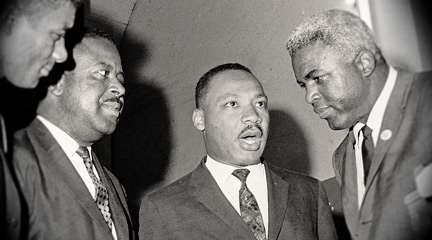
What connections do documents related to the Jackie Robinson Testimonial Dinner in 1962 make between these two men?
Letters from the Philippines
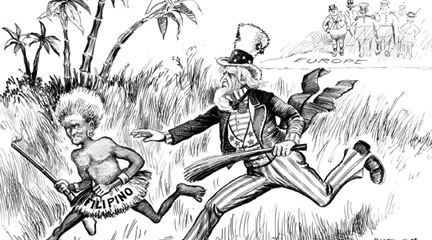
Letters from U.S. soldiers during the Philippine-American War reveal perspectives very different from the official …
Scenes in the Life of Harriet Tubman
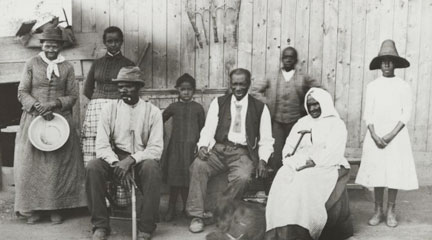
Can you trust a biography? Historian Tiya Miles analyzes an 1869 biography of abolitionist Harriet Tubman.
Abolitionist Speeches by African American Women
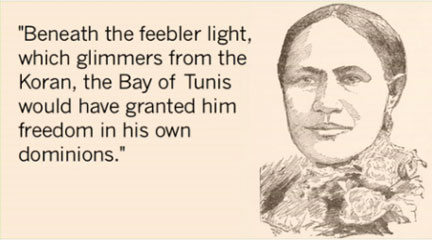
How do the speeches of Sojourner Truth and Frances Ellen Watkins Harper differ? Historian Carla Peterson examines …
The Iran Hostage Crisis: Diary of Robert Ode
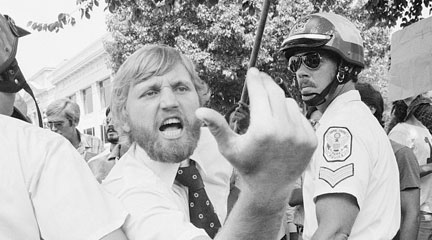
Diaries give a personal view of historical events. Historian Peter Hahn interprets the diary of Robert Ode, kept as he …
Japanese American Internment: Executive Order 9066
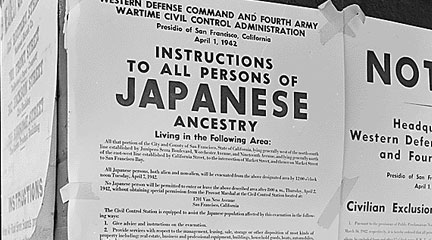
How did the World War II internment of Japanese Americans happen? Historian Frank Wu examines Executive Order 9066.
Japanese American Internment: Ansel Adams Photos
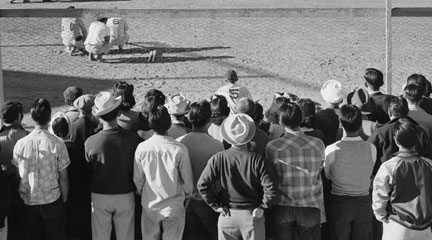
If the U.S. interned you and your family, how would you respond?
1775 Colonial Newspaper Article

Smithsonian Barbara Clark Smith looks at what a colonial newspaper article says—and doesn’t say—about a Patriot protest.
1804 Inventory
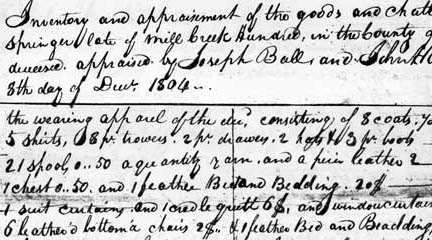
What can an inventory tell you about daily life in Delaware in 1804? Curator Barbara Clark Smith asks this document four …
Herman Melville's "Bartleby, the Scrivener"
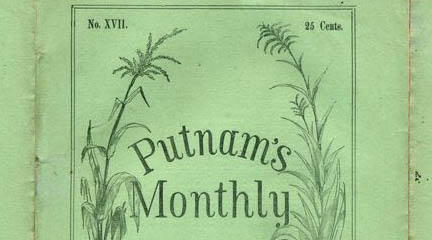
Is reading a piece of historic literature once enough? Not if you want to get the most out of literary sources.
1853 Daguerreotype
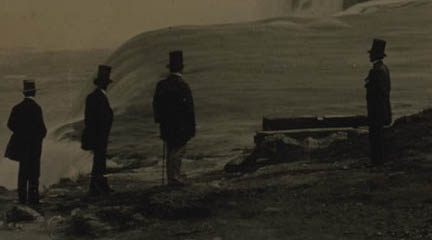
What does an 1853 daguerreotype have to say? Plenty, says Frank Goodyear, particularly about tourist culture and the …
Two Blues Songs
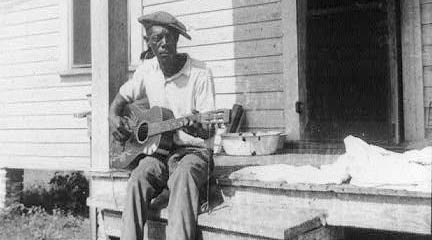
Written primary sources only tell you so much. To learn about history that was never written down, listen to sources …
Thomas Nast Cartoon
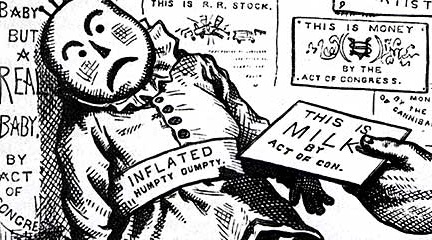
Today, we accept paper—and electronic—money as a fact of life. Historian Michael O’Malley analyzes an 1876 cartoon …
FDR's Second Inaugural Address
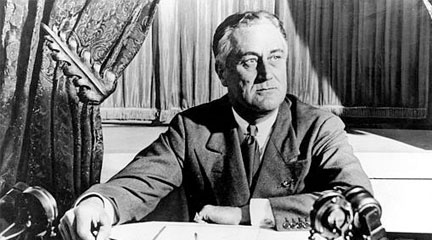
What is the key line in Franklin D. Roosevelt’s second inaugural address? Historian David Kennedy gives his answer.
The Election of 1932: Photographs of FDR
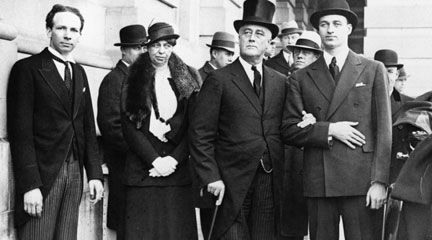
What can a photograph of Franklin D. Roosevelt in 1932 reveal? Donald A. Ritchie looks at the people captured in this …
The Election of 1932: Clifford Berryman Cartoon

Donald A. Ritchie, Historian of the U.S. Senate, asks how a political cartoon captures a moment of change in the 1932 …
Massive Resistance Political Cartoons
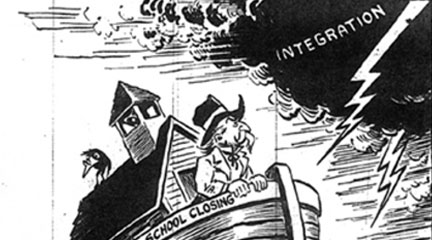
Watch J. Douglas Smith discuss the Massive Resistance policy enacted by U.S. Senator, Harry F. Byrd, Sr., in 1956.
John Smith Map
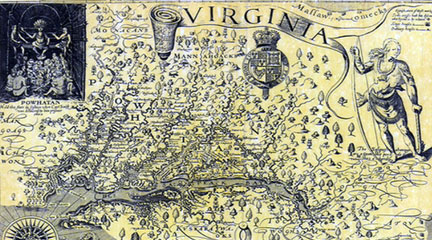
Watch Smithsonian curator Barbara Clark Smith discuss John Smith’s Map of Virginia published in London in 1612.
John Brown's Body
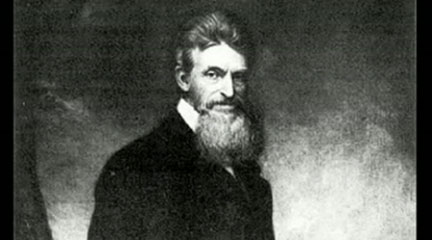
Chandra Manning discusses the song “John Brown’s Body,” and how music can be an important source in discovering the …
Declaration of Independence
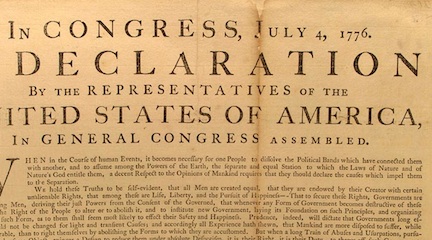
Historian Rosemarie Zagarri reads the Declaration of Independence closely, taking time to define its context and its …
Civil War Letters
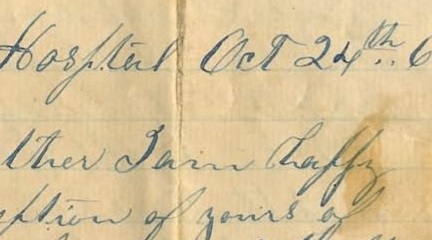
Historian Chandra Manning analyzes Civil War letters from black and white Union soldiers and a Confederate soldier.
Bill of Rights
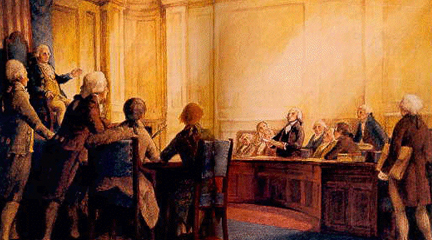
Whitman Ridgway outlines some of the context in which the Bill of Rights was created and arguments surrounding its …
The Salem Witch Trials
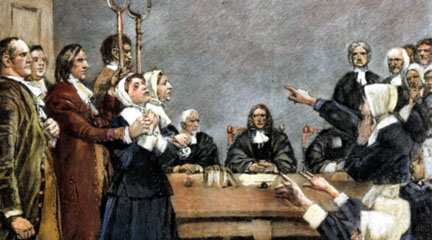
Absolving the guilty and punishing the innocent. Historian Elizabeth Reis looks at primary sources recording testimony …
Lincoln's Second Inaugural Address
Teaching the Reconstruction? Ford’s Theatre’s Sarah Jencks leads teachers through Abraham Lincoln’s Second Inaugural …
The Barbary Pirates: Letter from Tripoli
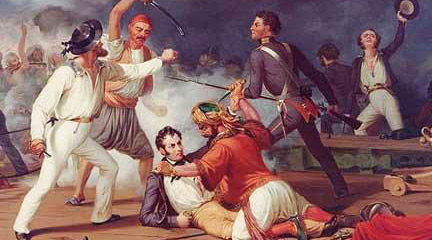
Two letters from 1800 Tripoli lead into a story of piracy, privateering, slavery, international politics, and war at sea …
FDR's Fireside Chats
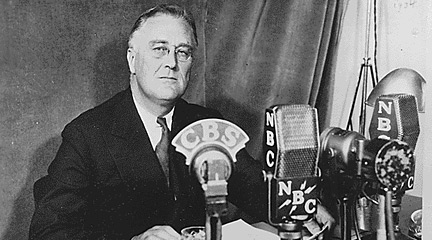
Historian Allida Black analyzes FDR’s April 28, 1935 Fireside Chat. What ideas and arguments does FDR present to the …
My Lai Massacre Political Cartoon
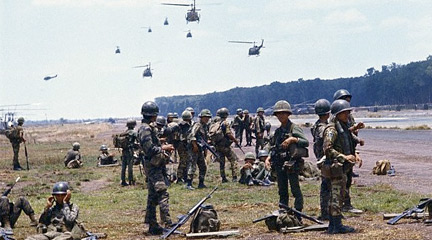
Professor Meredith Lair examines a 1971 political cartoon and what it says about U.S. reaction to the My Lai Massacre …
Cross-checking Sources and Testing Hypotheses
Challenge students to gather evidence from multiple primary sources. Here, a high school student uses two related …
Reading for Context
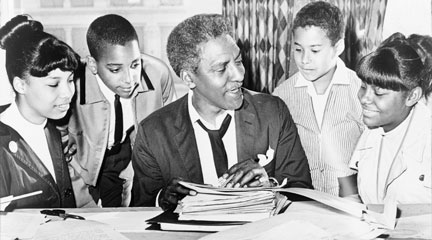
If students lack historical context, they can miss the substance of a reading. Watch a high school sophomore use what he …
Close Reading for Vocabulary, Context, and Tone
Analyzing a source requires context for a more complete understanding.
Primary Sources as Windows into the Past
Excite students by introducing them to primary sources that answer questions they have—not just questions you pose to …
Slave Receipts
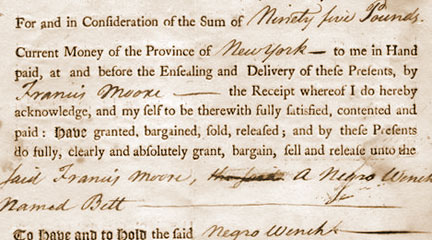
What do slave receipts reveal? Ever considered using similar documents to teach?
Frederick Douglass's Autobiographies
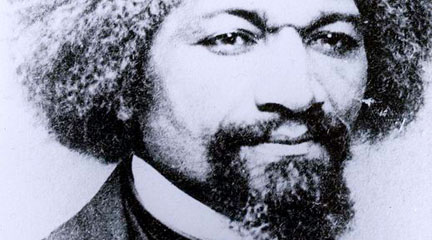
Use autobiographies to deconstruct views of slavery and historical heroes.
Narratives of Slavery
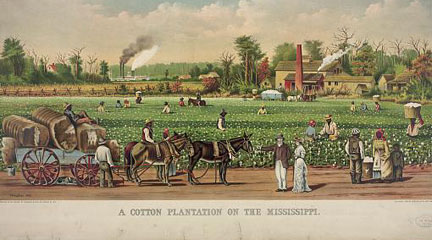
One institution, two very different perspectives. An expert contrasts records.
Daily Objects, 19th-century America
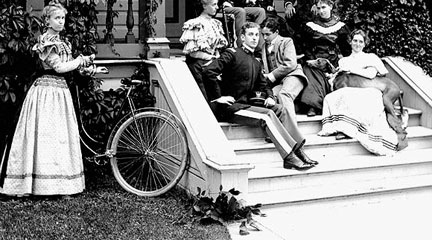
With the advent of industry and western expansion, U.S. businesses mass produced dreams of affluence and progress.
Jefferson's Confidential Letter to Congress
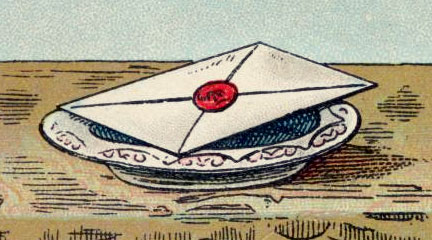
Jefferson, surprised by the Louisiana Purchase? Maybe not. Historian Leah Glaser looks at a letter from Jefferson …
Cherokee Law of Blood
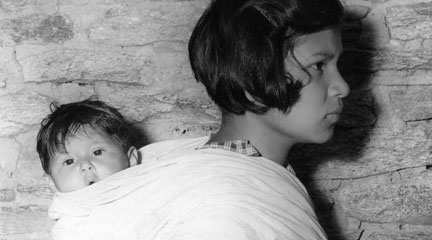
A Cherokee Nation Supreme Court document reveals the fluidity of racial identity.
Creative Memo on Lay's Products
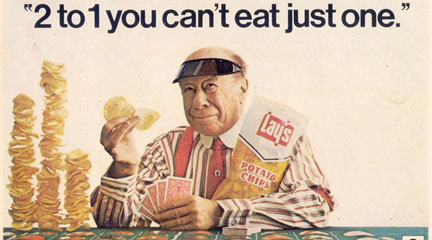
Potato chip marketing—how a luxury item became an everyday U.S. food.
Intertextual Reading of Two Primary Documents
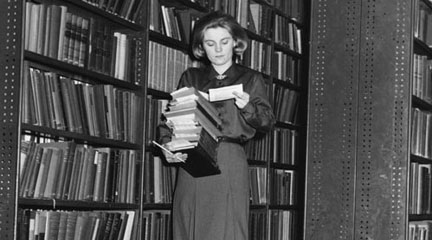
A student demonstrates thinking aloud reading two documents.
Close Reading of a Primary Document
On the website Historical Thinking Matters, a student reads aloud a speech by former Louisiana Governor Huey Long.
Seeing (and Engaging in) Historical Thinking: A Tutorial
This interactive tutorial models a four-step process for analyzing historical sources.
Sourcing a Primary Document
See sourcing in action, as a historian reads a document about the Scopes Trial.
An Introduction to Historical Thinking and Reading
Watch this flash movie for a peek at how historians read and question sources.
Recreating the Cuban Missile Crisis
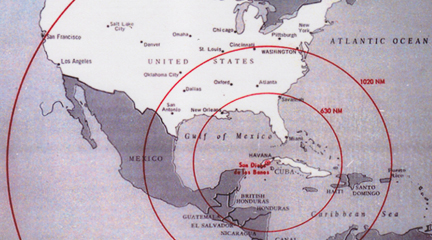
Ninth-grade teacher Jamie Kimbrough asked her students to stand in Kennedy’s shoes. How did they decide to resolve the …
Integrating Language Arts and History
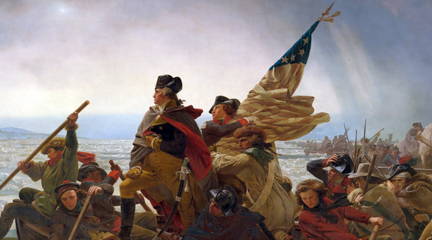
Elementary teacher Karen Eanes hooks her students with engaging historical fiction, art, and primary source excerpts on …
Organize Your Thinking to Critically Analyze Text
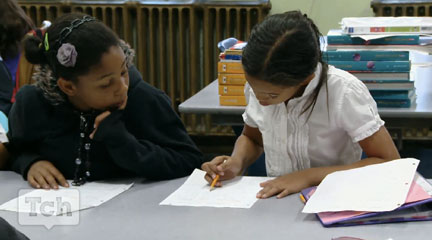
Discover the multiple strategies 5th-grade teacher Jennifer Brouhard uses in her classroom to promote student …
The Assassination of Abraham Lincoln
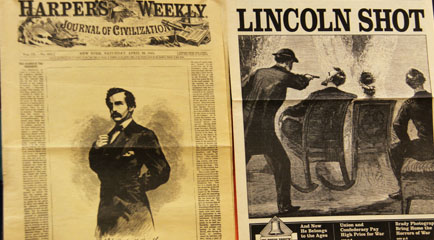
Teacher Bill Kendrat demonstrates the techniques he uses to draw students in to culturally-familiar stories.
Of the Student, For the Student, By the Student
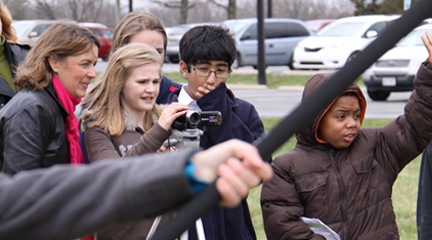
Sixth graders in Prince William County film their interpretations of the First Battle of Manassas.
How to Introduce Students to Primary Sources
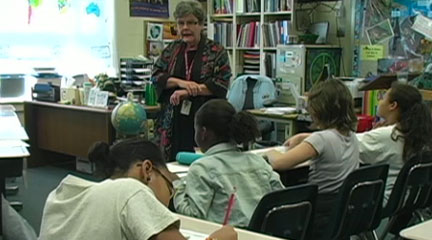
Introducing your students to primary sources for the first time? Watch fourth-grade teacher Marty MacKenzie guide her …
Teaching the Bill of Rights
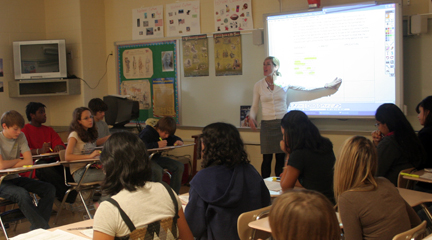
Daunted by teaching the Bill of Rights and its complex vocabulary to students? Middle-school teacher Christine Valenti …
Teaching Strategies for Museums: Graphic Organizers
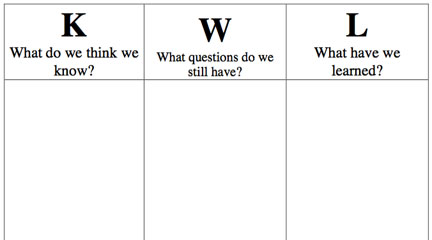
Eighth-grade teacher Amy Trenkle keeps students on-task before, during, and after a museum visit with graphic …
FDR's Fireside Chats
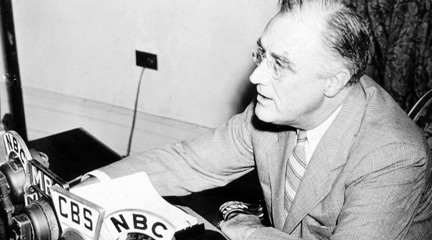
High school teacher Joe Jelen combines roleplaying and critical analysis—by having students roleplay critics of the New …
Students in the Community
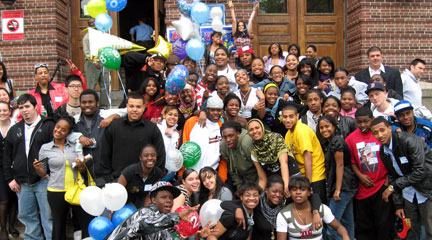
Is a school an island? James Liou talks about working to integrate schools into the community, as practiced at Boston …
Massive Resistance through Political Cartoons
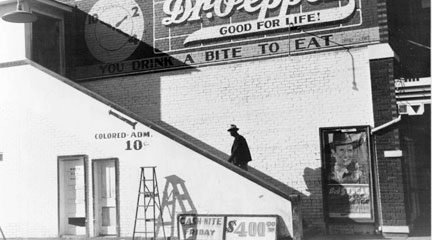
Watch 4th-graders analyze cartoons about Virginia and Brown v. Board of Education.
Opening up the Textbook: Voices from My Lai
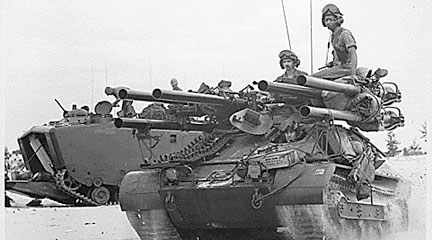
High school students use primary sources to question their textbook’s narrative on the My Lai massacre.
Geo-Literacy Project: Students Explore Their World
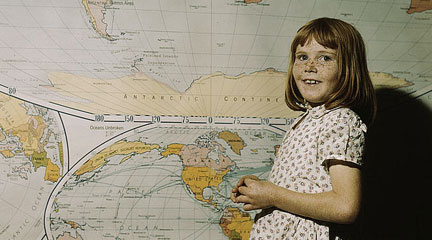
Teacher Eva La Mar’s third graders become historians, writers, and videographers as they explore a community site.
Third Graders Analyzing Historical Sources
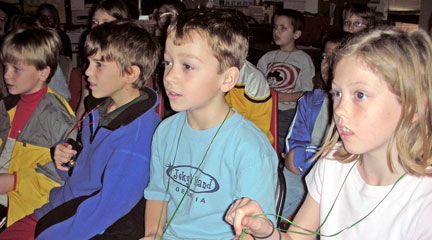
A 3rd-grade teacher leads her students through analysis of child labor photographs.
What Does It Mean to Be an American?
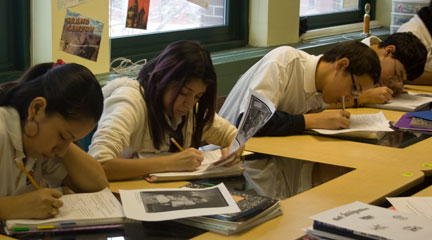
An 8th-grade teacher asks: Was early 20th-century America a “melting pot” or a “salad bowl”?
Foundations of American History: John Brown Song
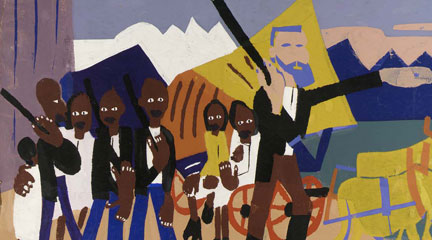
How did people in the North feel about John Brown after his raid on Harpers Ferry?
Prologue to Studying the Emancipation Proclamation
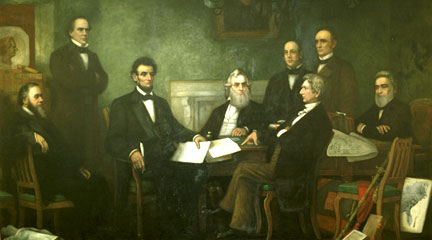
An 8th-grade class analyzes letters about the Emancipation Proclamation.
Reading and Thinking Aloud to Understand

Two practices help students to make sense of primary source documents on the internment of Japanese Americans while …
Exploring Historical Texts in a Discussion-Based Class
Trying to promote more productive and engaging discussions?
Teaching Historical Interpretation through Planning Documentary Films
Watch this 9th-grade teacher lead his class in planning, writing, and organizing their own documentary films.
Causes of World War I
Did two bullets begin WWI? Explore causation in your classroom.
Causal Reasoning

The fictional Alphonse the Camel provides insight for one classroom.
Using Maps as Primary Sources
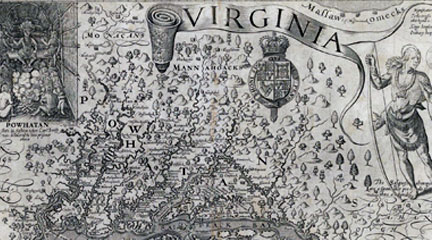
A 4th-grade teacher shows strategies for encouraging and supporting student analysis of maps.
Historical Context and Roleplaying
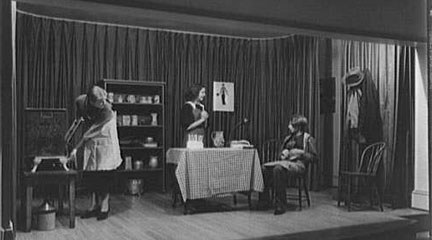
A 5th-grade teacher teaches historical context through roleplaying activities.
Learning Menus: Textbooks a la Carte
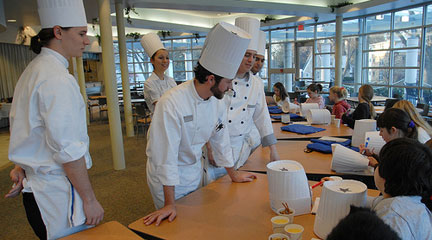
Turn your students into ‘master chefs’ by using learning menus that allow differentiated instruction.
Building a Conversation between Textbooks, Students, and Teachers
Class discussion and personal inquiry builds an interactive relationship between students and their textbooks.
Children’s Voices from the Civil War
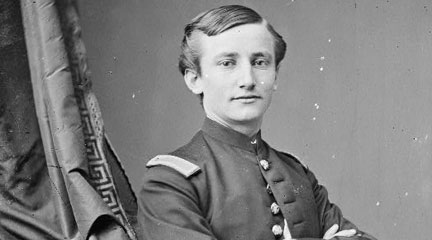
Help students identify with the past via children who lived through the Civil War.
Questioning Textbook Authority
Show your students how to challenge the authority gap between the textbook and themselves.
Using Historiography to Analyze the Mexican-American War

Allow students to see that history as we know it is interpretation, perspective, and bias.
The Grammar of History Textbooks, Part I: Language Analysis
The language of history textbooks challenges English language learners and native speakers alike. Face it head-on.
The Grammar of History Textbooks Part II: Questioning the Text
Turn your textbook into a conversation by scanning its language for biases.
Opening Up the Textbook
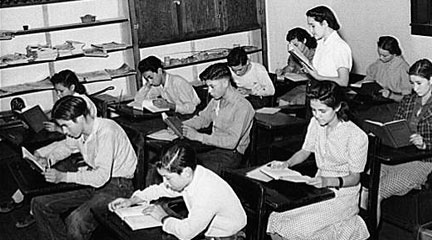
Make the most of your textbook—engage students in close reading and analysis.
The Thomas Jefferson Building: Secret Messages
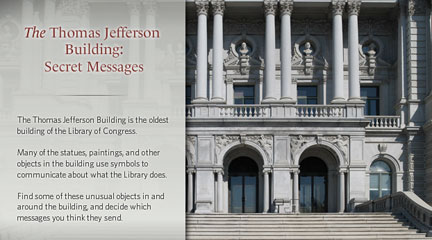
What messages are hidden in art and architecture? Explore the Library of Congress’s Jefferson Building in this online …
The Civil War in Art: Teaching and Learning Through Chicago Collections
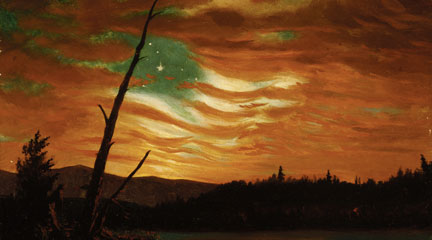
Integrate these two guides into your curriculum to help students develop visual and textual analysis skills.
Interactive Exercises—Analyzing Artifacts
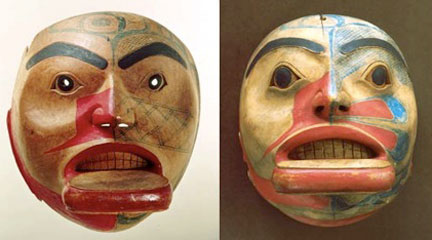
In this series of exercises, students are presented with Native American masks and must contextualize them.
Key Concepts in Historical Thinking

Improve your historical analysis skills by learning about different types of causes and evidence.
How to Read a Landscape
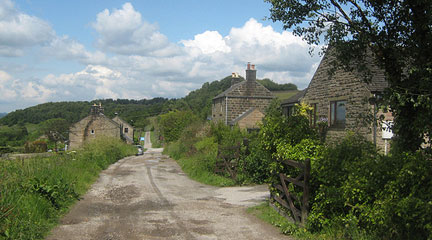
Discover historic landscapes with this guide to reading the land produced by the University of Wisconsin at Madison.
Focus on Film
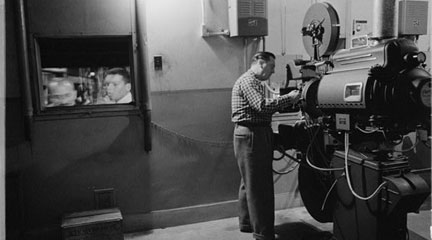
Transform film from a source of entertainment to a piece of historical evidence.
Thinking Like a Historian
Learn how to teach your students historical thinking with this informative video from the University of …
Bringing History Home’s SOCC Analysis Technique

Explore the SOCC analysis technique with this great website.
Local History and Student Historians
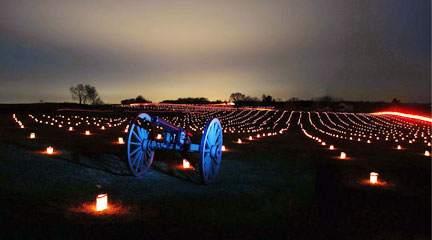
So you don’t live near Gettysburg or the Alamo—can you still teach with historic place? Of course!
Why Historical Thinking Matters
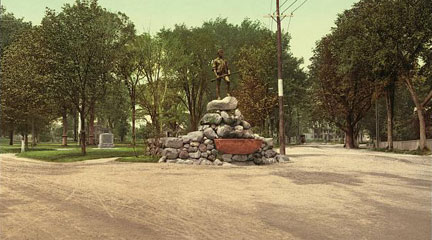
See this Flash movie for a peek at how historians read and question sources.
Online Primary Source Collections
Check out these sites for excellent primary source material.
Primary Source Sets on the Web
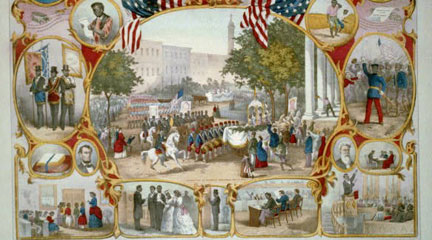
Check out these sites for primary sources grouped into sets by topic, grade-level appropriateness, and other factors.
George Washington, A National Treasure
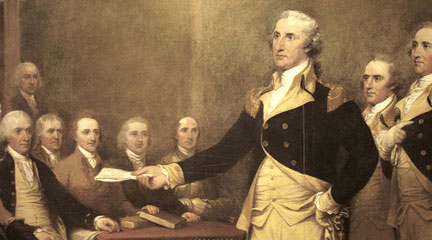
This website by the Smithsonian Portrait Gallery will help students analyze artistic works.
Critically Analyzing Information Sources
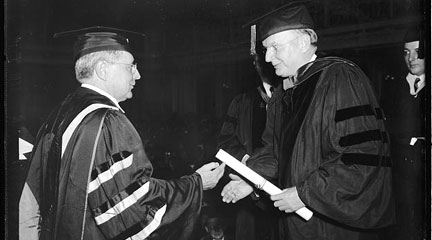
This source from Cornell University’s Olin and Uris Libraries includes guidelines for assessing primary source material.
Interactivity

Teach students how to utilize primary sources with this game from Annenberg Media
Document Analysis Worksheets
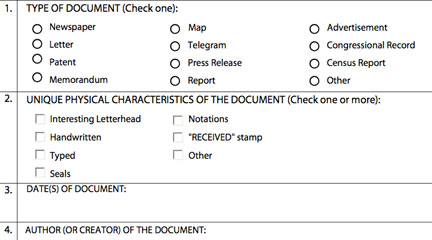
Find the National Archive’s worksheets for analyzing a variety of primary sources.
Media Analysis Tools
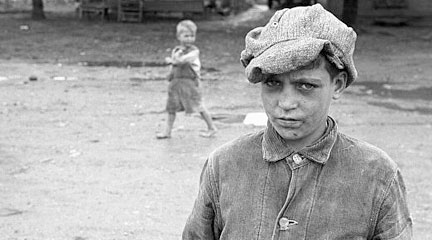
These worksheets from the Library of Congress help students analyze primary sources.
Analyzing Composition in Paintings
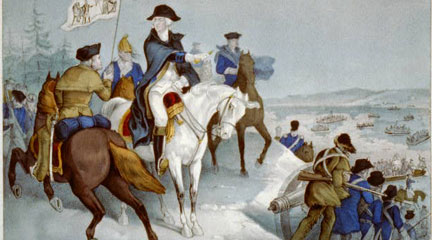
Incorporate art into lesson plans with this resource from The Metropolitan Museum of Art.
Picturing America
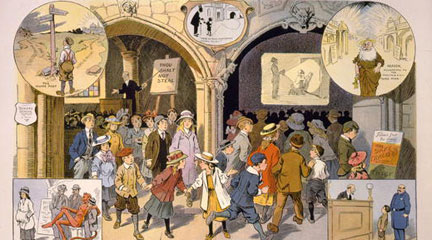
Analyze art in the classroom with these resources from the Picturing America initiative.
Evoking the Past
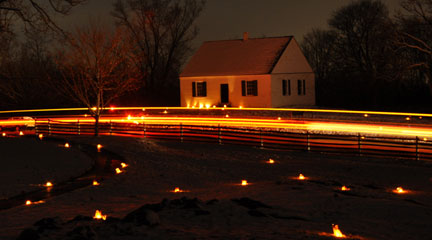
When visiting historical sites, sometimes you need a visual/emotional “hook” to get students interested.
Teaching with Monuments and Memorials

Every town has a scattering of historical markers and statues. Discover what they really mean!
People as Primary Sources: Conducting Interviews
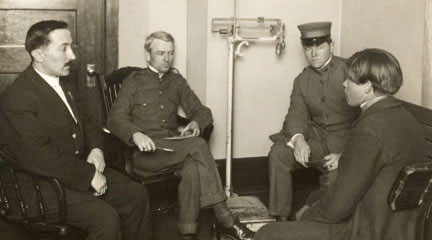
The Bracero Archive’s tutorial shows how to conduct successful interviews.
Reading Like a Historian
Use the Stanford History Education Group’s curriculum to teach historical investigation.
SCIM-C: Historical Source Analysis
Virginia Tech’s short video shows how to analyze primary sources and put them in context.
Teaching with Historic Places
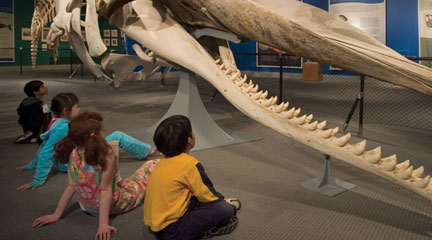
Looking for new ideas on how to teach with the historic places in your community?
Integrating Material Culture into the Classroom
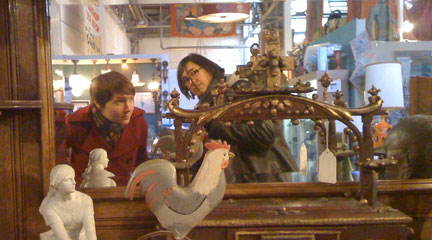
Use this guide developed by PBS and the Antiques Roadshow to teach about material culture.
Teaching with Museum Collections
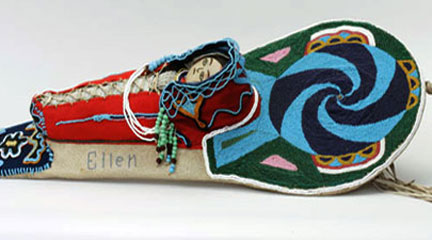
National Park Service lesson plans, teaching materials, and vibrant images reveal what historical objects tell us about …
Secondary Sources: What Are They?
National History Day identifies secondary sources along with suggestions for their use.
Primary Sources: What Are They?
The National History Day’s guidelines for defining and locating primary sources.
Scholars in Action: Analyzing 19th-Century Letters
Watch a scholar interpret letters from labor activist and reformer Sarah Bagley.
Making Sense of Documentary Photography
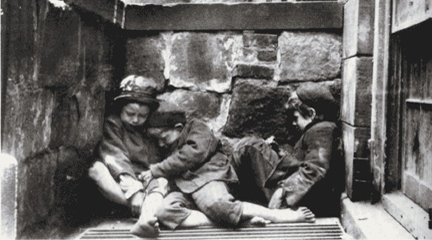
Textbook illustrations are often overlooked as historical evidence.
Making Sense of American Popular Songs
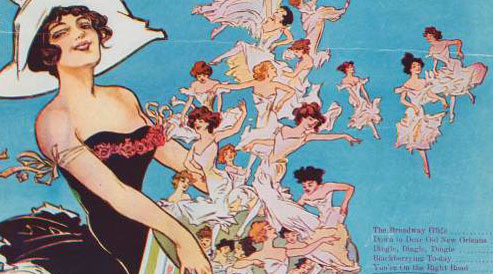
Don’t overlook song as a way of understanding the past.
Making Sense of Advertisements
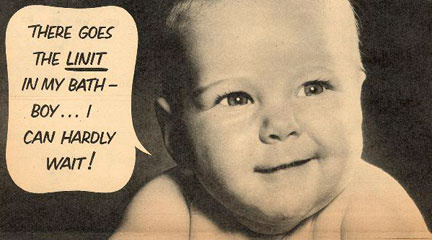
Advertisements have surrounded us for years. How can you interpret them? Where can you find them?
Making Sense of Letters and Diaries
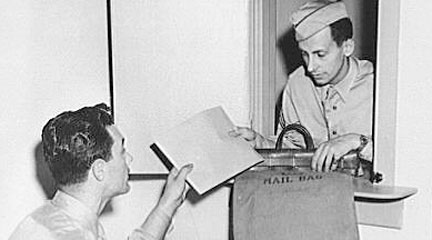
Source and approach letters and diaries with historical thinking.
Making Sense of Numbers
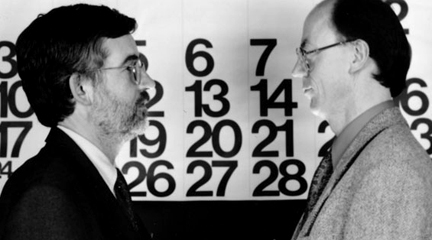
Quantitative data, although seemingly daunting and impersonal, can help you understand the past.
Making Sense of Maps
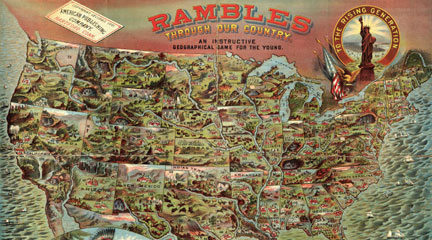
What questions should you ask when viewing maps as historical evidence?
Making Sense of Films
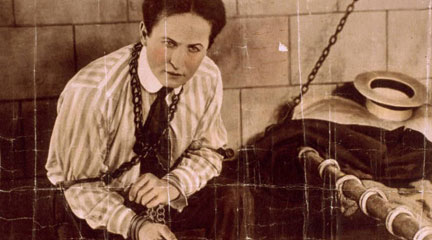
Work with early twentieth-century film as historical evidence. What questions do you need to ask?
Making Sense of Oral History
Work with oral history interviews as historical evidence.